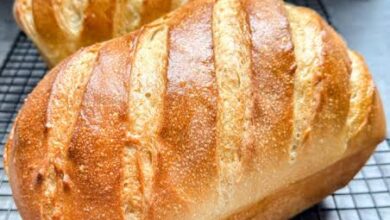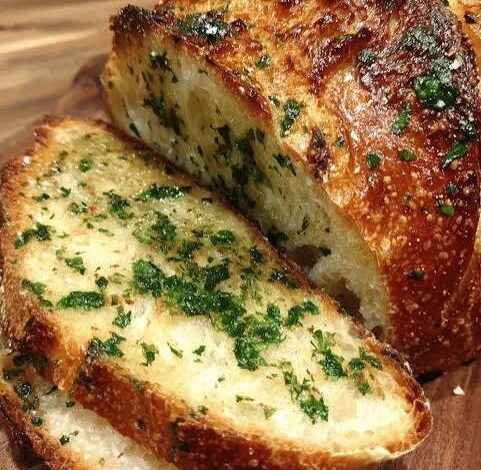
Baking bread at home is one of the most rewarding and cozy activities you can experience in your kitchen. Today we are talking about a wonderful rustic loaf known as garlic and herb sourdough. This recipe is all about taking simple basic ingredients like water flour salt and wild yeast culture and transforming them into something truly magical. When you add freshly crushed garlic cloves and aromatic green herbs to the dough you elevate a humble loaf of homemade bread into a bakery quality masterpiece. The outside forms a dark golden crust that crackles when you slice into it while the inside remains soft airy chewable and packed with huge flavor. Every single bite offers a beautiful balance between the gentle natural sour twang of fermented dough and the savory warm aroma of garlic roasted gently inside the crumb. It is a classic traditional bread making method made accessible and simple for everyday home bakers of any skill level.
People all around the world fall in love with this savory sourdough loaf because it satisfies so many senses at once. The moment you pull this golden loaf out of your hot oven your entire house fills with a rich delicious comforting aroma that instantly brings everyone into the kitchen. People love the amazing texture contrast between the crisp outer shell and the pillowy moist center that stays fresh for days. Beyond the rich flavor profile it is also deeply satisfying to make bread from scratch using real slow fermentation rather than quick factory fast yeast. You get immense pride when you slice into a loaf that you nurtured slowly with your own hands over many hours. Furthermore this bread brings family and friends together because nothing melts hearts faster than warm garlic herb bread served fresh alongside dinner. It feels rustic luxurious homemade and incredibly heartwarming all at the exact same time.
There are so many wonderful occasions and reasons to bake this incredible aromatic loaf in your own kitchen. You might decide to spend a calm rainy weekend afternoon baking to slow down reduce daily stress and enjoy a mindful therapeutic hobby. You can make this loaf to elevate a special dinner party with close friends or to serve alongside a rich steaming bowl of homemade tomato soup on a cold evening. From a fitness perspective choosing natural long fermentation sourdough is wonderful for your digestive wellness because the natural bacteria break down hard proteins and gluten making it much gentler on your stomach than fast store bought white bread. It provides clean healthy complex carbohydrates that fuel your body with steady long lasting energy for physical workouts and busy days. Whether you are baking for pure emotional comfort for great gourmet taste or for cleaner everyday nutrition this recipe always delivers joy and warm memories.
Learning to master garlic herb sourdough gives you a superpower in the kitchen that you will use over and over again throughout your whole life. You do not need any expensive tools or professional baking gear to create a spectacular loaf right at home today. With just a little patience basic techniques and love you can create wholesome food that nourishes both your body and your spirit. This guide walks you through every single step in complete detail so you never feel confused or lost along the way. Sourdough baking is a journey of learning observation and appreciation for natural whole foods. As you practice you will get better at reading your dough understanding temperatures and timing your bakes perfectly. Grab your mixing bowl assemble your simple fresh ingredients and let us dive right into creating this irresistible savory garlic and herb sourdough loaf together.
Ingredients You Will Need
To make one large beautiful loaf of garlic and herb sourdough assemble these clear ingredients and precise measurements before you begin.
Active Sourdough Starter: 100 grams (bubbling active and fed about four to six hours before starting) Bread Flour or Unbleached Strong White Flour: 450 grams (high protein content helps build structure) Whole Wheat Flour: 50 grams (adds rich nutty flavor and extra nutrients) Warm Water: 350 grams (filtered water works best around 80 degrees Fahrenheit) Fine Sea Salt or Kosher Salt: 10 grams (enhances flavor and strengthens gluten networks) Fresh Garlic Cloves: 6 to 8 large cloves (minced very finely or finely grated) Olive Oil: 1 tablespoon (used to gently cook garlic and coat herbs) Dried Oregano: 1 teaspoon Dried Thyme: 1 teaspoon Dried Rosemary or Fresh Rosemary: 1 teaspoon (chopped very fine) Fresh Parsley: 2 tablespoons (finely chopped) Optional Parmesan Cheese: 30 grams (grated fine if you want an extra savory cheesy touch)
Step by Step Method
Step 1: Mixing the Dough and Autolyse
In a large glass or ceramic mixing bowl pour 350 grams of warm filtered water. Add 100 grams of active bubbly sourdough starter to the water. Use a wooden spoon or your fingers to stir gently until the starter dissolves completely and the liquid looks milky white. Next add 450 grams of bread flour and 50 grams of whole wheat flour into the bowl. Mix everything thoroughly with your hands or a sturdy spatula until all dry flour disappears and you form a rough shaggy dough ball. Cover the bowl with a clean damp kitchen towel or plastic wrap. Let this mixture rest undisturbed for 45 minutes at room temperature. This resting process is called autolyse which allows the flour to absorb water fully and naturally start developing gluten structure on its own without any hard mechanical kneading.
Step 2: Adding Salt and Kneading
After the resting period ends remove the towel covering your bowl. Sprinkle 10 grams of fine sea salt evenly over the top of your wet dough. Splash a few drops of warm water over the salt to help it dissolve smoothly into the mixture. Now squeeze and fold the dough repeatedly using clean wet hands. Grab the dough from underneath lift it up gently stretch it upward without tearing it and fold it back down into the center. Rotate the bowl slightly after every fold and repeat this pulling and stretching motion for about four to five minutes. You will notice the dough changing quickly from a shaggy sticky mass into a smoother springier ball. Cover the bowl again with your damp towel and let it sit undisturbed for 30 minutes.
Step 3: Preparing the Garlic and Herb Mixture
While your dough rests in the bowl prepare your flavorful garlic herb addition. Set a small pan over low heat on your stove and add 1 tablespoon of olive oil. Add your 6 to 8 finely minced or grated fresh garlic cloves to the warm oil. Gently cook the garlic over low heat for about two minutes just until it becomes fragrant and soft without letting it turn dark brown or burn. Burning garlic causes a bitter taste so keep the heat very gentle. Turn off the stove heat completely and remove the small pan from the hot burner. Stir in your dried oregano dried thyme finely chopped rosemary fresh parsley and optional grated parmesan cheese. Mix well until all herbs are lightly coated in warm garlic olive oil. Allow this delicious aromatic mixture to cool down completely to room temperature before adding it to your bread dough.
Step 4: Lamination and Adding Garlic Herb Fillings
After the dough has completed its 30 minute rest period it is time to incorporate your garlic herb mixture using a gentle method called lamination. Lightly wet your kitchen counter surface with a little water. Tip your sourdough out onto the wet counter. Gently pull the edges of the dough outward spreading it thin across the counter until it forms a large thin flat rectangle without tearing holes in the middle. Spread your cooled garlic herb mixture evenly across the entire surface of the stretched dough. Fold one third of the dough over into the middle like folding a business letter. Sprinkle any remaining herb bits over the exposed layer then fold the opposite side over. Finally roll the long strip up tightly into a neat log. Place the filled dough back into your large mixing bowl.
Step 5: Bulk Fermentation and Stretch and Folds
Cover your bowl with the towel and let the dough undergo bulk fermentation at warm room temperature for roughly four to six hours. During the first two hours of bulk fermentation perform three sets of stretch and folds spaced 30 minutes apart. To stretch and fold reach down into the bowl with wet fingers grab one edge of the dough lift it upward gently stretching it high then fold it smoothly over the top center of the dough. Rotate the bowl 90 degrees and repeat on all four sides. This step builds great strength and distributes your herbs evenly. After completing three stretch and fold sets cover the bowl and let the dough rise untouched for the remaining three to four hours until it increases in volume by roughly fifty percent and looks light fluffy and bubbly around the top edges.
Step 6: Shaping the Sourdough Loaf
Lightly dust your work counter with bread flour. Turn the risen dough out onto the floured surface carefully preserving all those delicate gas bubbles created during fermentation. Gently press the dough out into a rough oval shape. Fold the left side inward toward the middle then fold the right side inward over it. Grab the top edge furthest from you roll the dough down toward yourself tucking it neatly into a tight smooth round ball or oval log shape. Drag the dough gently across the un-floured counter toward your body using both hands to create outer skin tension on top of the dough. Dust a sourdough proofing basket or a bowl lined with a smooth kitchen towel with rice flour or bread flour. Place your shaped dough upside down into the basket smooth side facing down.
Step 7: Cold Fermentation overnight
Cover the proofing basket securely with a plastic bag or a tight cover to prevent the outer dough skin from drying out. Place the basket into your refrigerator for cold retard fermentation for 12 to 18 hours overnight. Cold fermentation is essential because it slows down yeast activity while allowing friendly lactic acid bacteria to keep producing rich deep complex savory flavor. The cold temperature also firms up the dough structure making the loaf significantly easier to score cut and bake the following day.
Step 8: Baking in a Dutch Oven
The next day place a heavy cast iron Dutch oven with its lid on inside your oven. Preheat your oven to 450 degrees Fahrenheit (230 degrees Celsius) for at least 45 to 60 minutes so the heavy pot gets extremely hot. Take your cold sourdough dough straight out of the refrigerator. Cut a sheet of parchment paper and invert your proofing basket over the parchment paper so your dough sits right side up. Dust the top lightly with flour. Use a razor blade or sharp knife to cut a long slash down the middle of the dough at a slight angle. Carefully pull the scorching hot Dutch oven out of your oven remove the lid lift the parchment paper holding your bread and drop it safely inside the hot pot.
Step 9: Baking and Cooling
Cover the Dutch oven with its hot lid immediately and place it back inside your hot oven. Bake with the lid on for 20 minutes. The trapped steam inside the pot keeps the crust soft initially allowing the loaf to expand dramatically in an impressive oven spring. After 20 minutes carefully remove the lid from your Dutch oven. Lower your oven temperature slightly to 425 degrees Fahrenheit (220 degrees Celsius). Bake open without the lid for another 20 to 25 minutes until the outer crust turns a deep rich mahogany golden color and smells incredible. Remove the pot safely and lift your fresh bread out onto a wire cooling rack. Let the loaf cool completely for at least two full hours before slicing into it. Cutting warm bread releases trapped steam and makes the inside texture gummy so waiting is key for perfect results.
Why This Recipe Is Special
This garlic and herb sourdough recipe stands out as a top tier artisan bread for several fantastic reasons. First of all the slow fermentation process inherent to authentic sourdough baking offers amazing natural digestive health benefits. During the long overnight resting period natural lactic acid bacteria break down complex starches antinutrients like phytic acid and hard to digest wheat gluten. This means people who typically feel bloated or heavy after eating standard commercial store yeast bread often find homemade sourdough incredibly light gentle and easy to digest. Sourdough also boasts a lower glycemic index compared to regular processed white bread which helps prevent wild blood sugar spikes and keeps your energy levels steady for hours after eating.
From a culinary perspective the flavor profile of this loaf is unmatched. The natural tangy sour bite of fermented dough pairs seamlessly with warm mellow roasted garlic and fragrant garden herbs. Instead of adding raw sharp garlic late in the process gentle pan warming softens the sulfur compounds in the garlic creating a sweet rich savory flavor that permeates every single slice. Combined with hearty whole wheat and crisp white bread flour every bite offers deep complex flavor notes that taste like a traditional European village bakery craft.
Additionally this recipe is special because it uses clean wholesome minimal ingredients without any synthetic preservatives dough conditioners artificial flavor enhancers or added refined sugars. You get absolute control over everything entering your body. It satisfies your appetite deeply leaving you nourished and energized. Whether you enjoy fitness training active outdoor hobbies or just love clean eating this loaf fits into a healthy whole food lifestyle gracefully.
Extra Tips for Better Taste
Use Fresh Herbs When Possible: While dried herbs work very well using fresh herbs like chopped rosemary basil thyme or chives brightens up the taste profile tremendously. Fresh garden herbs bring vibrant green color and lively aromatics into the golden dough.
Add Roasted Whole Garlic Cloves: If you love big sweet garlic hits instead of mincing your garlic try roasting whole unpeeled garlic cloves in the oven until soft and caramel brown. Squeeze the soft sweet garlic paste directly onto your stretched dough during the lamination step.
Incorporate Quality Cheeses: Elevate your savory loaf further by folding in sharp aged cheddar freshly grated parmesan or crumbled feta cheese along with your garlic herb filling. The melting cheese creates delicious crispy caramelized pockets along the outer edge as it bakes.
Sauté Garlic in Butter: Swap olive oil for rich grass fed butter when sautéing your minced garlic. Butter infuses a rich nutty mouthfeel into the bread crumb that complements the sour twang beautifully.
Use Rice Flour for Dusting: When coating your proofing basket use fine rice flour instead of standard white wheat flour. Rice flour contains no gluten so it never sticks to the wet dough ensuring your loaf glides out of the basket effortlessly every single time.
Master Steam in Your Oven: If you do not own a cast iron Dutch oven you can bake your sourdough on a baking stone or sheet pan. Simply place a deep metal roasting tray filled with hot water or ice cubes on the bottom rack of your oven to create plentiful steam during the first 20 minutes of baking.
Final Thoughts
Baking your own garlic and herb sourdough loaf at home is a deeply satisfying process that rewards your time and care with unforgettable flavor and rustic beauty. There is nothing quite like holding a warm heavy fragrant loaf that you crafted completely from scratch using simple elemental ingredients. Share this loaf with your friends family members and neighbors alongside good conversations and hearty meals. Do not worry if your very first attempt is not visually perfect because practice brings confidence and improvement with every single bake. Enjoy every part of the baking journey from feeding your bubbly starter to listening to the golden crust crackle as it cools on your counter. Happy baking to you and may your kitchen always be filled with warm comforting delicious scents.
Nutrition Details
Below is an approximate nutritional breakdown calculated for the entire sourdough recipe loaf as well as per individual serving assuming the completed bread loaf is sliced into twelve equal portions.
Nutrient Component | Total Recipe Amount | Per Serving Amount (1 Slice) Energy Calories | 2050 kcal | 171 kcal Total Carbohydrates | 385 grams | 32 grams Dietary Fiber | 24 grams | 2 grams Total Sugars | 6 grams | 0.5 grams Protein | 62 grams | 5.2 grams Total Fat | 22 grams | 1.8 grams Saturated Fat | 4 grams | 0.3 grams Monounsaturated Fat | 12 grams | 1.0 gram Polyunsaturated Fat | 3 grams | 0.25 grams Sodium | 3900 milligrams | 325 milligrams Potassium | 750 milligrams | 62.5 milligrams Iron | 18 milligrams | 1.5 milligrams Calcium | 140 milligrams | 11.6 milligrams
Disclaimer
This garlic and herb sourdough recipe article is created strictly for general educational nutritional and culinary information purposes. Every individual human body is unique with different metabolic rates sensitivities dietary needs and digestions. Nutritional values provided in the table above are estimated approximations and can change based on specific brand ingredients hydration levels slice sizes and exact baking times. Sourdough bread contains naturally occurring wheat gluten and is not suitable for individuals diagnosed with celiac disease or severe wheat allergies. If you have specific dietary restrictions medical conditions digestive issues or health concerns please consult with a qualified professional healthcare provider or registered dietitian before making significant changes to your regular daily diet.