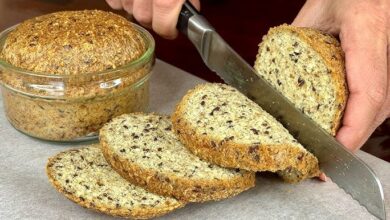
English muffins are one of the most famous breakfast choices across the whole world because they are both delicious and easy to prepare. This recipe is all about making your own soft and chewy bread circles right in your kitchen without any complicated machine or hard steps. When you think of a warm morning meal that makes your house smell like a real bakery, this bread is always the top choice for everyone. Making them at home is a wonderful journey that lets you see how simple flour and water turn into beautiful pieces of breakfast heaven. You do not need to be an expert cook or have years of baking experience to follow along because this guide is made for complete beginners who want great results. By learning this classic recipe, you will be able to skip the store bought versions completely and serve your family something fresh and full of love.
People absolutely love this bread because it has a unique texture with tiny holes inside that hold onto melted butter or sweet jam perfectly. Unlike regular sandwich bread which can sometimes feel boring or too soft, these muffins have a crispy outside crust from the cornmeal and a pillowy soft middle section. There is a deep feeling of satisfaction when you split one open with your fingers and see those beautiful nooks and crannies waiting for your favorite toppings. Children love them because they are small and easy to hold, while adults appreciate how they stay fresh and toast up beautifully every single day of the week. It is a comforting food that brings back good memories of slow weekend mornings where nobody is in a rush and the kitchen is filled with warmth. The love for this recipe spreads across generations because it combines simplicity with an amazing taste experience that cannot be matched by any other baked item.
You should make this recipe whenever you want to bring your family together for a special morning or when you need a healthy and clean bread option. From a fitness perspective, these homemade muffins are much better than store options because you control every single ingredient and leave out all chemicals or artificial freshness keepers. They give you a steady amount of energy to start your day without making you feel heavy or tired, which is perfect for active people or busy workers. Making bread by hand is also a beautiful emotional experience that helps you relax, forget about daily stress, and focus on the beautiful smell of rising dough. It is the perfect activity for a rainy Sunday afternoon when you want to fill your home with comfort, or for a holiday morning when you want to surprise your loved ones with something spectacular. Whether you want to fuel your morning workout or simply enjoy a quiet moment with a hot cup of tea, these bread circles fit every mood.
Baking your own breakfast bread also gives you a huge sense of pride because you are creating something beautiful out of very basic kitchen ingredients. You will feel an amazing rush of happiness when you see the dough rise high in the bowl and then watch it brown beautifully on your hot stove top. It is a fantastic way to teach children about cooking because they can watch the yeast work its magic and help shape the soft dough into smooth rounds. This recipe is also a great budget friendly choice because buying flour and milk is much cheaper than purchasing expensive packages from the supermarket every week. Once you master this simple process, it becomes a regular part of your lifestyle that saves money and improves your daily health. It is truly more than just a simple recipe because it is a gateway to a happier, healthier, and more delicious way of enjoying your daily morning routine.
Ingredients You Will Need
To make these wonderful breakfast muffins, you must gather these simple items from your kitchen counter or the local grocery store:
-
Four cups of all purpose flour
-
One cup of warm whole milk
-
Half cup of warm water
-
Two tablespoons of white sugar
-
Two tablespoons of unsalted melted butter
-
One package of active dry yeast which is about seven grams
-
One teaspoon of fine sea salt
-
Half cup of yellow cornmeal for dusting the bottom and top
Step by Step Method
First, you need to wake up your active dry yeast so it can make your dough rise high and fluffy. Take a small bowl and pour the warm water and warm milk inside, making sure the liquid is not too hot because high heat will kill your yeast. Stir in the white sugar until it dissolves completely, then sprinkle the yeast package over the top of the warm liquid. Let this mixture sit quietly on your counter for about ten minutes until you see a thick layer of foam forming on the surface. If your liquid does not become foamy after ten minutes, it means your yeast might be old, so you should start again with fresh yeast for the best results.
Second, take a large mixing bowl and combine your all purpose flour with the fine sea salt using a large spoon. Once the yeast mixture is nice and foamy, pour it directly into the large bowl with the flour, and add your melted unsalted butter as well. Use a sturdy wooden spoon to mix everything together until a sticky dough starts to form and no dry flour is left at the bottom. If the mixture feels a bit too wet, you can add a tiny spoonful of flour, or if it feels too dry, add a splash of warm water. Mix until the dough comes together into a single mass that pulls away from the sides of your mixing bowl.
Third, dust your clean kitchen counter with a little bit of flour so your dough does not stick to the surface. Turn the sticky dough out onto the counter and begin kneading it firmly with the palms of your hands for about ten minutes. Push the dough away from you, fold it back over itself, turn it slightly, and repeat the movement with a steady rhythm. As you keep kneading, you will notice the dough changing from a rough and sticky mass into a beautiful, smooth, and stretchy ball. To test if it is ready, poke the dough gently with your finger, and it should spring back quickly to its original shape.
Fourth, grease a large clean bowl with a small amount of oil or butter so your dough can expand without sticking. Place your beautiful smooth dough ball inside the bowl, and turn it over once so the top is lightly coated with the oil. Cover the bowl tightly with a clean kitchen towel or some plastic wrap to keep the air out and trap the warmth inside. Put the bowl in a warm spot in your kitchen, such as inside an oven that is turned off, and let it rest for about one hour. During this quiet resting time, the yeast will do its job and the dough will grow until it becomes double its original size.
Fifth, prepare two large baking sheets by sprinkling them generously with half of your yellow cornmeal. Once your dough has doubled in size, gently punch it down with your fist to let the trapped air bubbles escape. Turn the dough out onto your counter again and use a rolling pin to flatten it until it is about half an inch thick all around. Take a round biscuit cutter or a clean drinking glass that is about three inches wide and cut out as many dough circles as you can. Place each circle onto your prepared baking sheets, making sure to leave some space between them so they can grow.
Sixth, gather the leftover scraps of dough that are left on the counter, press them back together gently, roll them out again, and cut more circles. Sprinkle the remaining yellow cornmeal over the tops of all your shaped dough circles so they are coated on both sides. Cover the baking sheets loosely with your clean kitchen towel and let them rise a second time for about thirty minutes. You will see the circles puff up beautifully, becoming light and airy, which is exactly what gives the bread its amazing interior texture.
Seventh, place a large heavy skillet or a flat griddle on your stove top over a medium low heat setting. Do not add any oil or butter to the pan because these muffins are cooked dry, and the cornmeal will prevent them from sticking. Carefully lift a few puffed dough circles with a spatula and place them into the warm skillet, leaving room to flip them later. Cook them slowly for about seven to eight minutes on the first side until the bottom becomes a beautiful golden brown color.
Eighth, use your spatula to gently flip the muffins over to the second side, taking care not to crush their light structure. Cook the second side for another seven to eight minutes until it is also golden brown and the muffin feels light when you lift it. If you notice they are browning too fast, turn your stove heat down lower because they need time to cook all the way through to the center. Remove the cooked muffins from the hot skillet and place them on a wire cooling rack while you cook the remaining dough circles.
Ninth, let the muffins cool completely for at least twenty minutes before you attempt to open or eat them. To open them properly, never use a sharp knife because a knife cuts through the holes and ruins the internal texture. Instead, use the prongs of a fork to poke holes all around the middle seam of the muffin, then gently pull the two halves apart with your fingers. This traditional fork method splits the bread naturally, revealing all the beautiful nooks and crannies that are perfect for catching melting butter.
Why This Recipe Is Special
This specific recipe is incredibly special because it brings the authentic bakery experience right into your home without using any complex machinery. You do not need a specialized baking oven or expensive tools, as a simple stove top pan is all it takes to achieve perfection. This makes it an amazing option for people who live in small apartments or anyone who loves traditional cooking methods. The satisfaction of creating bread from scratch using your own hands creates a deep connection to your food that store bought items can never give. It is a beautiful skill that you can share with your friends and family, making breakfast time feel like a true celebration.
From a health standpoint, these homemade muffins are a wonderful addition to your daily diet because they contain no chemical additives. Supermarket bread is often packed with artificial preservatives to make it stay on shelves for weeks, but this recipe uses only pure ingredients. You can choose high quality organic flour, fresh milk, and reduce the amount of sugar if you want an even cleaner option. They are naturally lower in fat than biscuits or croissants, making them an excellent choice for individuals who want to maintain a healthy weight. Eating food made with simple ingredients helps your digestion and gives you clean, long lasting energy for your daily activities.
The taste and texture of these muffins are far superior to anything you can buy in a plastic package at the store. The slow rising process allows the yeast to develop a deep, rich flavor that is slightly tangy and incredibly satisfying. The contrast between the crunchy cornmeal crust and the soft, chewy interior creates an amazing mouthfeel with every single bite. When you toast a fresh homemade muffin, the edges of the tiny internal holes become extra crispy while the center stays beautifully soft. It is a premium taste experience that transforms a simple breakfast into something luxurious and memorable.
Extra Tips for Better Taste
To take your homemade breakfast bread to the next level, try experimenting with different types of flour mixtures. You can substitute one cup of all purpose flour with one cup of whole wheat flour to add a rustic, nutty flavor and extra fiber. If you love a slightly sweeter taste, you can add a small spoonful of honey or maple syrup to the warm milk mixture instead of white sugar. Some bakers like to add a tiny pinch of cinnamon to the dough to create a warm aroma that pairs beautifully with fruit jams. Always make sure your flour is fresh, as older flour can sometimes absorb too much liquid and make your bread heavy.
Another fantastic trick is to use an old fashioned cast iron skillet if you have one in your kitchen. Cast iron holds and distributes heat much more evenly than thin pans, which helps the muffins develop a perfect golden crust without burning. Keep the temperature low and steady, as rushing the cooking process will leave the inside dough raw while the outside burns. You can also create a savory version of this bread by mixing a half cup of shredded cheddar cheese into the dough during the final stages of kneading. If you enjoy herbs, adding a teaspoon of dried rosemary or thyme can create a wonderful savory bread that goes perfectly with afternoon soup.
Storage is also an important part of keeping your baked goods tasting amazing for days. Once the muffins are completely cool, store them in an airtight container or a sealed bag at room temperature for up to four days. If you want them to last longer, you can split them open with a fork, place them in a freezer bag, and freeze them for up to three months. When you are ready to eat, you can place the frozen halves straight into your toaster for a quick and delicious breakfast. This tip ensures you always have a fresh, homemade meal ready even on your busiest mornings.
Final Thoughts
Making your own English muffins at home is a beautiful and rewarding journey that will completely transform your morning routine. It is a simple process that brings immense joy, from watching the dough rise to hearing the crunch of the first toasted bite. This recipe proves that you do not need complicated tools or expensive ingredients to create something truly magical in your kitchen. We hope this beginner guide gives you the confidence to start your baking adventure and share the love with your family. Grab your flour, turn on your stove, and enjoy the wonderful experience of baking fresh bread from scratch today.
Nutrition Details
Here is the nutritional information for one serving of these homemade breakfast muffins, assuming the recipe makes twelve equal pieces:
-
Calories: One hundred and eighty calories
-
Total Fat: Two and a half grams
-
Saturated Fat: One gram
-
Cholesterol: Five milligrams
-
Sodium: Two hundred milligrams
-
Total Carbohydrates: Thirty four grams
-
Dietary Fiber: One and a half grams
-
Sugars: Two grams
-
Protein: Five grams
Disclaimer
Please remember that everyone has a unique body and individual health needs, so personal dietary results may change based on your lifestyle. The nutritional values provided in this article are close estimates calculated using standard kitchen ingredients, but actual numbers can vary depending on the specific brands you use. If you have special health conditions, allergies to gluten, or specific dietary goals, it is always a wise idea to consult with a professional doctor or a certified nutritionist. Enjoy your cooking experience safely and always listen to your body needs.