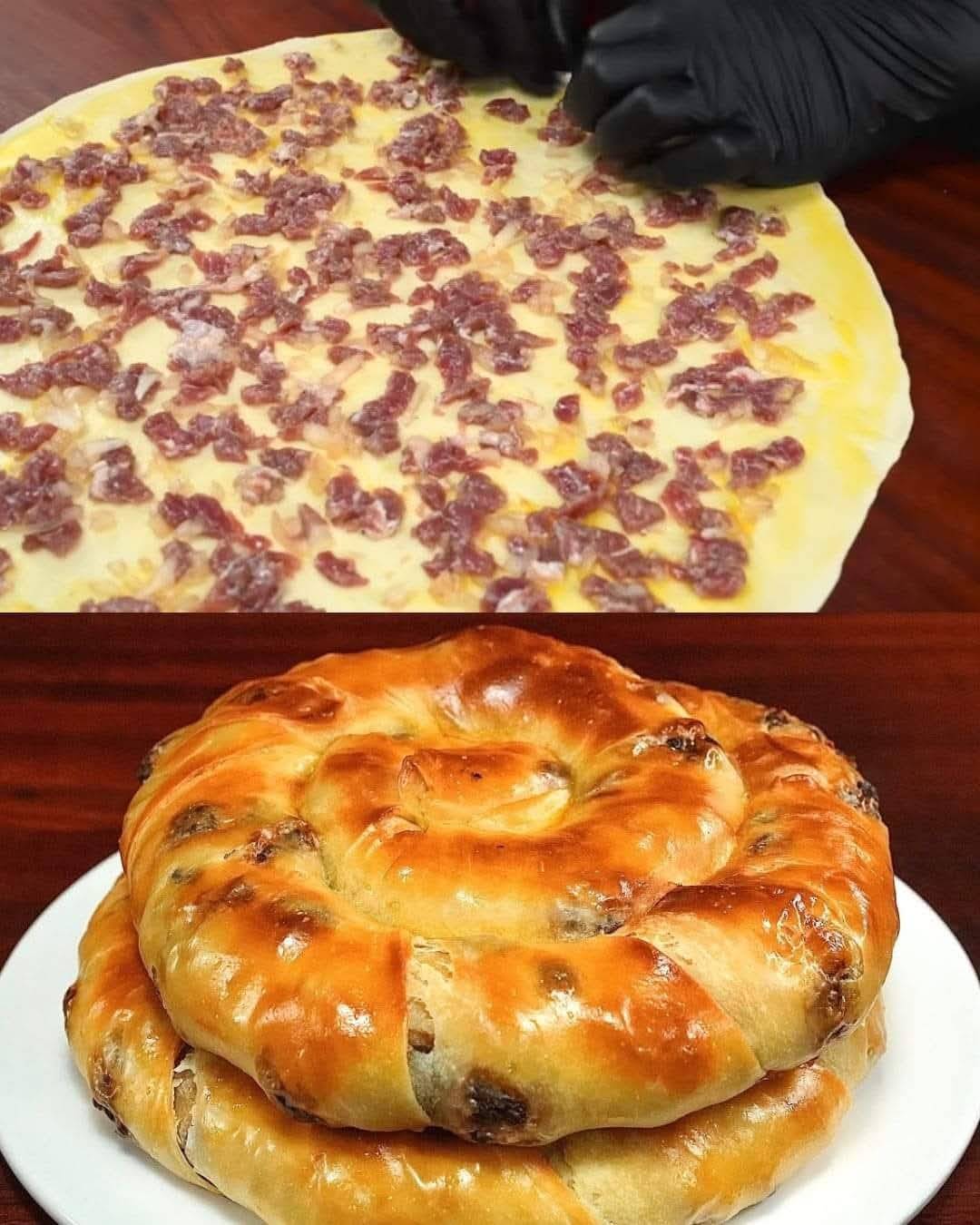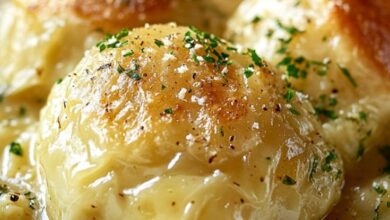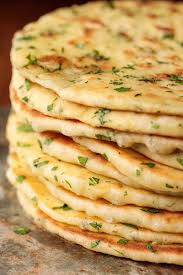
Homemade bread making is one of the ultimate joys of spending time in the kitchen and nothing matches the wonderful comfort of making a batch of traditional Turkish bazlama right on your own stove. This recipe is essentially about taking basic pantry items like flour and yeast and combining them with thick creamy yogurt to create a soft pillowy flatbread that puffs up beautifully in a hot pan without needing an oven. Unlike thin flatbreads or crispy tortillas that can become dry and brittle as they cool down, this authentic Turkish bread relies on the natural moisture of yogurt to deliver an incredibly tender crumb that stays soft for days. When you place a round piece of dough onto a hot skillet, you release a wonderful yeasty aroma that instantly fills the house and brings back comforting images of old fashioned village kitchens. This cooking process is more than just a quick baking project because it represents a beautiful culinary tradition where humble ingredients are transformed into a cloud like staple that pairs with almost any meal. Many home cooks choose this recipe because it is incredibly easy to master and requires absolutely no professional baking skills or expensive specialized tools like a clay outdoor oven. You can mix up the dough in less than fifteen minutes on a quiet afternoon and enjoy the magical sight of the flatbread ballooning up with hot air right before your eyes on the stove. It is the perfect bridge between a quick weeknight flatbread and a slow yeast bread that satisfies your deepest cravings for fresh carbs without requiring hours of intense kitchen labor. By choosing to master this authentic yogurt flatbread recipe, you are giving your family a wholesome homemade staple that brings a wonderful sense of international flair and comfort to your regular dining routine.
People absolutely love this recipe for a wide variety of reasons ranging from the incredible pillowy texture of the bread to the rich emotional satisfaction that a warm slice of fresh bread always brings to the table. One of the main reasons for its massive global popularity among home bakers is how the inclusion of real yogurt changes the structure of the dough, making it incredibly forgiving to work with and wonderfully soft to chew. There is something deeply satisfying about taking your first bite from a hot bazlama and feeling the light elastic pull of the crust followed immediately by the warm airy center that absorbs butter like a sponge. Beyond the amazing textural contrast which is truly beautiful, the taste of this flatbread is universally loved because it features a subtle tangy note from the yogurt that balances the natural sweetness of the wheat flour. Many people find that making this homemade version allows them to enjoy the absolute peak flavor of fresh yeast bread without having to deal with the dense heavy texture of commercial sandwich loaves. This comforting bread provides an excellent burst of energy and warmth that makes people feel deeply happy and satisfied as they tear off pieces to scoop up savory dips or stews around the dining table. Another reason for the enduring love of this recipe is how fun and rewarding the cooking stage is for beginners who are just learning how to handle yeast dough because watching the bread puff up like a balloon provides instant gratification. It is a wonderfully versatile option that feels like a true luxury treat because of its charred golden spots and the rich buttery glaze that you brush over the top immediately after it leaves the hot skillet. This dish has become a modern symbol of rustic comfort food and simple stovetop baking that anyone can successfully create regardless of their budget or current skill level in the kitchen.
Knowing when or why to make this traditional Turkish flatbread often comes down to your personal emotional desire for a comforting kitchen project or the practical need to replace store bought bread with something fresh and wholesome for your family. You might decide to mix up a batch of dough on a lazy Saturday morning when you want to elevate your standard weekend breakfast into a beautiful Mediterranean feast complete with olives and cheeses and honey. It serves as an excellent option for summer barbecue parties when you want to serve a hot fresh bread alongside grilled meats but you do not want to turn on your kitchen oven and overheat your entire house. On the emotional side of things, the rhythmic process of kneading the soft dough and rolling it out into neat circular rounds can be a very calming and therapeutic activity that helps you clear your mind after a stressful week. Many busy parents choose to make bazlama for their children because it makes a fantastic base for quick personal pizzas or hearty sandwich wraps that pack perfectly into school lunchboxes. If you are hosting a casual dinner party with friends, presenting a warm basket of these thick fluffy flatbreads wrapped in a clean cloth is a fantastic way to create an atmosphere of cozy hospitality and shared eating. Instead of buying stale processed wraps from the grocery store that are filled with chemical preservatives, serving this fresh homemade yogurt bread shows your guests that you value their health and happiness. It is the ultimate choice for a home cook who wants to experience maximum baking success with the minimum amount of complex equipment and elaborate cleanup work afterward.
The taste of an authentic Turkish bazlama is truly exceptional because it manages to blend the deep rustic notes of toasted flour with the bright refreshing tanginess of real cultured yogurt. When you take your first warm bite, you are met with the clean delicate chew of the outer crust which has been seared on a dry pan until it develops beautiful dark leopard spots. This is followed immediately by the soft airy rush of the interior crumb which feels completely light and pillowy rather than dense or heavy on your palate. If you follow the recipe closely and brush the finished bread with melted butter and fresh herbs, the fat creates a rich coating that enhances the simple grain flavors and leaves a beautiful savory aftertaste on your tongue. Many people find that the rich yeasty aroma reminds them of bustling street markets and cozy Mediterranean vacations which brings an immediate sense of peace and joy to the dining table. It is a highly versatile method because you can adjust the flavor profile easily by choosing to mix in minced garlic or crushed red pepper flakes depending on what your family likes to eat with their dinner. Because the ingredients are simple and natural, the true character of the fermented dough is the absolute star of the show in every single round you bake. This simple yogurt flatbread teaches us that we do not need a long list of expensive items to create a comforting staple that is genuinely luxurious and memorable for everyone at the table.
Ingredients You Will Need
-
Four cups of high quality all purpose flour or bread flour
-
One cup of plain full fat yogurt at room temperature
-
One cup of warm water heated to about one hundred degrees
-
One packet of active dry yeast which is about two and a quarter teaspoons
-
One tablespoon of granulated white sugar to activate the yeast
-
One and a half teaspoons of fine sea salt
-
Two tablespoons of olive oil to coat the dough bowl
-
Three tablespoons of unsalted butter melted for brushing over the finished bread
-
Two tablespoons of finely chopped fresh parsley or cilantro for a beautiful green garnish
Step by Step Method
First you should take a small mixing bowl and pour your warm water into it, ensuring the liquid is cozy to the touch but not boiling hot because excess heat will kill your yeast. Stir your granulated white sugar and active dry yeast directly into the warm water and let the mixture sit undisturbed on your counter for ten minutes until a thick foamy layer develops on top.
Next you will take a large wide mixing bowl and sift your four cups of all purpose flour and fine sea salt together until they are completely combined and free of large lumps. Create a deep well right in the center of the flour mixture using your fingers so that you have a clean space to pour your wet ingredients later.
Once your yeast mixture is beautifully foamy and active, pour it directly into the center well of your flour along with your one cup of plain room temperature full fat yogurt. Use a sturdy wooden spoon or your clean hands to start mixing the liquids into the flour, moving in a circular motion from the center outward.
Continue stirring until a shaggy cohesive dough begins to form and no dry pockets of flour remain at the bottom of the large bowl. If the dough feels a bit too sticky to handle, you can sprinkle in an extra tablespoon of flour, or add a tiny splash of warm water if the mixture feels too dry and crumbly.
Turn the shaggy dough out onto a clean counter space that has been lightly dusted with flour and begin kneading the mixture firmly with the heels of your hands. Push the dough away from your body, fold it over onto itself, and rotate it a quarter turn, repeating this rhythmic motion for about eight minutes until the dough becomes silky smooth and elastic.
Form the kneaded dough into a neat round ball and place it inside a clean bowl that has been greased with your two tablespoons of olive oil to prevent sticking. Cover the top of the bowl tightly with a clean damp kitchen towel or plastic wrap and set it in a warm draft free spot in your home for one hour until the dough doubles in size.
Once the dough has risen beautifully, gently press your fist into the center to deflate the trapped air bubbles and transfer it back onto your clean counter space. Use a sharp knife or a dough scraper to divide the large dough ball into six equal pieces, shaping each piece into a neat smooth smaller ball using your hands.
Arrange the six dough balls on your counter and cover them with your kitchen towel for fifteen minutes to let the gluten relax so the dough is easy to roll. Take one dough ball at a time and use a rolling pin to gently flatten it into a neat circle that is about seven inches wide and one third of an inch thick.
Place a large heavy skillet or a cast iron pan over medium heat on your stove and let it get completely hot for three minutes without adding any oil or butter. This authentic Turkish bread must be baked completely dry in the pan to achieve those traditional charred spots that create such a wonderful rustic flavor profile.
Carefully lift your first flattened dough circle and lay it flat inside the hot dry skillet, letting it cook undisturbed for about one minute. You will see small bubbles begin to form across the surface of the dough and the bottom will start to develop beautiful golden brown spots.
Flip the flatbread over using a spatula and watch closely as the entire bread begins to puff up high like a balloon as steam gets trapped between the layers. Cook the second side for another one minute, pressing down gently on the edges with your spatula to ensure the heat distributes evenly and cooks the interior completely.
Remove the hot puffy flatbread from the skillet and place it on a clean plate, brushing the top immediately with your melted butter and a sprinkle of fresh parsley. Stack the finished breads on top of each other and cover them with a clean cloth to trap the moisture so they stay incredibly soft while you cook the remaining dough rounds.
Why This Recipe Is Special
This recipe is special because it highlights the pure culinary brilliance of traditional village baking where a simple dairy ingredient completely transforms the structural integrity of basic bread. By utilizing full fat yogurt instead of milk or heavy cream, you are introducing natural lactic acid into the dough which tenderizes the gluten strands and creates a texture that is unparalleled in softness. The yogurt also delivers a wonderful dose of high quality protein and essential calcium that makes this flatbread a more nutritious option than standard white bread options available at the store. Because this bread cooks entirely on the stovetop in a dry pan, it saves you from having to preheat a large oven which makes the entire process incredibly energy efficient and fast.
Many home cooks find that making bazlama builds their confidence in working with yeast because the dough is sturdy and incredibly rewarding to shape with your hands. It is an ideal choice for modern meal prepping because the cooked flatbreads retain their incredible softness for days and can be frozen easily without losing any of their delicious flavor. The beautiful contrast of the charred golden spots against the pale tender bread looks highly rustic and appetizing on any dinner table layout. It is a timeless piece of Turkish food heritage that continues to bring joy to modern families because it fulfills our deep instinctual desire for warm fresh bread in a simple accessible way.
Extra Tips for Better Taste
If you want to make your traditional Turkish bazlama taste absolutely spectacular, you should try mixing a teaspoon of garlic powder or finely minced fresh garlic directly into your melted butter before brushing it onto the hot bread. This simple step creates an instant garlic bread experience that elevates the flatbread and makes it an incredible accompaniment to Italian pasta dishes or Mediterranean mezze platters. You can also experiment with substituting one cup of your all purpose flour with whole wheat flour if your family enjoys a deeper nutty grain flavor and extra dietary fiber in their daily meals. Another great tip is to ensure your yogurt is completely at room temperature before mixing because cold yogurt from the fridge can slow down the yeast activation and result in a denser flatbread.
Always make sure to keep your cooked bazlama rounds stacked tightly together under a clean thick kitchen towel while you are finishing the rest of the batch on the stove. The trapped steam inside the towel bundle is the ultimate secret to achieving that signature pillowy softness because it gently softens the outer crust as the bread cools down. If you notice that your pan is smoking or the leopard spots are turning black too quickly, simply lower your stove heat slightly to allow the interior dough sufficient time to bake through without burning the exterior skin. If you have leftover flatbreads the next day, you can reheat them for thirty seconds in a dry hot pan or a toaster oven to restore their original fluffy texture and freshly baked aroma perfectly. Never use a rolling pin with heavy downward pressure when flattening your dough balls because gentle light strokes are essential to preserve the internal air pockets that help the bread puff up beautifully in the pan.
Final Thoughts
In conclusion making your own authentic traditional Turkish yogurt flatbread is a wonderfully fulfilling and comforting kitchen journey that brings the beautiful flavors of old world baking straight into your modern home. It requires very basic pantry items and straightforward pan frying steps but the final result is a gourmet style bread that your friends and family will celebrate every time you make it. We hope that this detailed guide gives you all the reassurance and inspiration you need to stir up a batch of dough tonight and experience the pure magic of stovetop baking from scratch. Enjoy tearing into every single soft warm layer of your homemade creation and share the simple deep happiness of fresh bread with the people who matter most in your life.
Nutrition Details
| Food Metric | Value per Single Flatbread Serving |
| Calories | 290 kcal |
| Total Fat | 7 grams |
| Saturated Fat | 4 grams |
| Cholesterol | 15 milligrams |
| Sodium | 420 milligrams |
| Total Carbohydrates | 48 grams |
| Sugars | 2 grams |
| Dietary Fiber | 2 grams |
| Protein | 8 grams |
| Calcium | 6 percent of daily value |
| Iron | 12 percent of daily value |
Disclaimer
Please keep in mind that every individual person has a completely unique body structure with different metabolic requirements so the way your system processes yeast breads may change based on your personal health goals. This recipe article is intended purely for home cooking entertainment and educational purposes and should never be taken as official medical or professional dietary advice. If you are managing specific health conditions related to carbohydrate sensitivity or sodium management, you should always consult with a certified doctor before making rich homemade flatbreads a regular staple in your weekly diet.