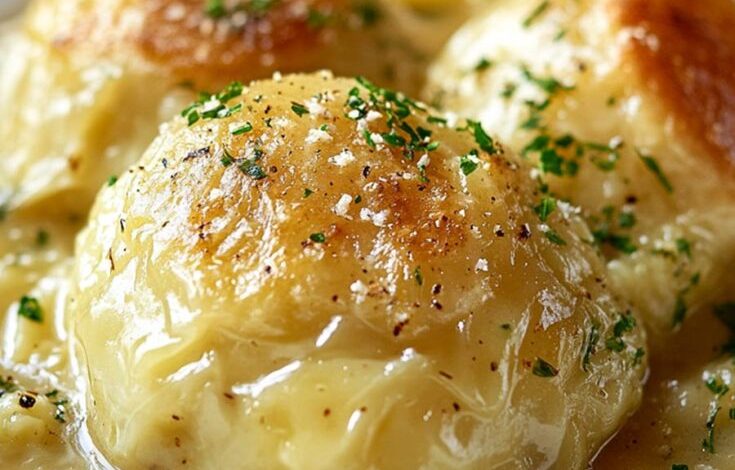
German cuisine is famous for its hearty and comforting meals that make you feel warm from the inside out. One of the most beloved and traditional combinations you will ever find on a German dinner table is sweet and sour red cabbage served alongside soft and pillowy potato dumplings. This classic dish represents the heart of European home cooking, bringing together rich flavors, incredible textures, and a deep sense of culinary history. When you prepare this meal, you are not just cooking food, but you are also recreating a timeless masterpiece that has brought families together for generations. The soft and slightly chewy texture of the potato dumplings acts like a sponge, perfectly soaking up the delicious juices from the spiced cabbage. It is a harmonious pairing where the earthy sweetness of the vegetables meets the comforting, carb rich satisfaction of the dumplings. Whether you are already a fan of German food or a complete beginner looking to try something new, this recipe is the perfect introduction to authentic European comfort food.
People all over the world absolutely love this classic combination because it offers a perfect balance of flavors that you cannot easily find in modern fast food. The red cabbage is slow cooked with apples, vinegar, and warm spices, creating a complex sweet and tangy flavor profile that keeps your taste buds excited with every single bite. On the other hand, the dumplings provide a mild, buttery, and comforting contrast that balances out the acidity of the cabbage. It is the ultimate comfort food because it feels like a warm hug on a cold plate, bringing back memories of cozy kitchens and grandmothers cooking over hot stoves. Beyond the amazing taste, people love this dish because it is incredibly satisfying and filling without relying heavily on expensive cuts of meat. It is a budget friendly feast that looks elegant, smells absolutely heavenly while it is cooking, and tastes even better the next day after all the rich spices have had time to fully meld together.
There are so many wonderful occasions and reasons to bring this traditional German recipe into your own kitchen today. If you are looking for the perfect winter or autumn meal to warm up your family after a long and chilly day, this steaming hot cabbage and dumpling plate is exactly what you need. It is also an amazing option for festive holiday dinners like Thanksgiving or Christmas, offering a beautiful pop of vibrant purple color and a unique side dish that will seriously impress your guests. For those who are focused on fitness and health, this recipe is naturally packed with incredible nutrients, dietary fiber, and essential vitamins from the fresh cabbage and apples. It proves that healthy eating does not have to be boring or tasteless, giving you a wonderful way to fuel your body with wholesome ingredients. Cooking this dish is also a great form of culinary therapy, allowing you to slow down, enjoy the incredible aromas filling your home, and connect with the mindful process of traditional cooking.
If you are a beginner in the kitchen, there is absolutely no need to feel intimidated by the idea of making authentic German food from scratch. This recipe is designed to be incredibly forgiving, simple, and straightforward, ensuring that your very first attempt turns out absolutely delicious and beautiful. You do not need any fancy kitchen gadgets or hard to find ingredients, as everything can be easily sourced from your local grocery store. By taking your time and following the simple steps, you will learn how to transform basic, everyday vegetables and potatoes into a restaurant quality feast. This dish is perfect for a lazy Sunday afternoon project, giving you a wonderful sense of accomplishment when you finally sit down to eat. Your family and friends will think you spent hours mastering complex culinary techniques, but in reality, you just used simple, honest ingredients cooked with love and patience.
Ingredients You Will Need
To make this authentic and delicious German meal, you will need to gather two separate sets of ingredients. One set is for the sweet and savory red cabbage, and the other is for the soft potato dumplings. Here is exactly what you will need to prepare this comforting feast.
For the Classic German Red Cabbage
-
1 medium head of fresh red cabbage, which should weigh about 3 pounds
-
2 medium sweet apples, such as Gala or Honeycrisp, peeled and chopped
-
1 large yellow onion, finely diced
-
3 tablespoons of unsalted butter or vegetable oil
-
4 tablespoons of apple cider vinegar
-
3 tablespoons of brown sugar
-
1 cup of water or vegetable broth
-
2 whole cloves
-
1 whole bay leaf
-
1 teaspoon of salt
-
half a teaspoon of ground black pepper
For the German Potato Dumplings
-
2 pounds of russet potatoes, peeled and cut into chunks
-
half a cup of potato starch or cornstarch
-
2 large egg yolks, lightly beaten
-
3 tablespoons of unsalted butter, melted
-
half a teaspoon of ground nutmeg
-
1 teaspoon of salt for the dough
-
1 tablespoon of salt for the boiling water
Step by Step Method
Cooking this meal is a wonderful journey that will fill your kitchen with the sweet scent of cloves and apples. Follow these simple and detailed steps to create the perfect cabbage and dumplings.
Preparing and Cooking the Red Cabbage
-
Start by prepping your red cabbage. Remove any tough outer leaves, cut the cabbage head into four quarters, and carefully slice out the hard white core. Use a sharp knife to shred the cabbage into thin strips.
-
Melt the butter or heat your vegetable oil in a large, heavy pot over medium heat. Add the diced yellow onion and cook for about five minutes until the onion pieces become soft and translucent.
-
Add the shredded red cabbage to the pot and stir it well to coat it with the melted butter. Let the cabbage cook for about five minutes, stirring occasionally so it starts to soften.
-
Stir in the chopped sweet apples, apple cider vinegar, brown sugar, salt, and black pepper.
-
Create a small pocket in the center of the cabbage and drop in the whole cloves and the bay leaf.
-
Pour in the water or vegetable broth, then turn the heat down to low. Cover the pot with a tight lid.
-
Let the cabbage simmer slowly for about one hour. Stir the cabbage every fifteen minutes to make sure nothing sticks to the bottom. If the pot looks too dry, you can add a splash of water.
-
Once the cabbage is incredibly tender and has turned a beautiful deep purple color, remove the lid. Taste the cabbage and add a little more sugar or vinegar if you want it sweeter or tangier. Keep it warm on very low heat while you make the dumplings.
Making the Potato Dumplings
-
Place your peeled and chunked potatoes into a large pot of cold, salted water. Bring the water to a boil over high heat and cook the potatoes for about fifteen to twenty minutes, or until they are completely fork tender.
-
Drain the potatoes thoroughly in a colander. It is very important to let them steam dry for about five minutes because any extra moisture will make the dumplings fall apart.
-
Mash the warm potatoes using a potato ricer or a standard potato masher until they are completely smooth with absolutely no lumps. Let the mashed potatoes cool down until they are warm to the touch but not hot.
-
Sprinkle the potato starch, salt, and ground nutmeg over the mashed potatoes. Pour in the beaten egg yolks and the melted butter.
-
Use your clean hands to gently mix the ingredients together inside the bowl. Knead the mixture just until it forms a smooth, soft dough. Do not overwork the dough, or the dumplings will become dense and heavy.
-
Divide the dough into eight equal portions. Roll each portion between your palms to form a smooth, round ball with no cracks on the surface.
-
Bring a large, wide pot of water to a gentle simmer and add one tablespoon of salt. The water should not be boiling rapidly, as violent bubbles can break the delicate dumplings.
-
Gently lower the potato dumplings into the simmering water using a slotted spoon.
-
Let the dumplings cook undisturbed. They will sink to the bottom at first, but after about five minutes, they will gently float to the top of the water.
-
Once the dumplings are floating, let them simmer gently for another ten minutes to ensure they are cooked all the way through to the center.
-
Remove the cooked dumplings carefully with your slotted spoon and drain them well.
-
Serve the hot, fluffy dumplings immediately alongside a generous portion of the sweet and sour red cabbage.
Why This Recipe Is Special
This classic German dish is special because it is a true celebration of simple, wholesome ingredients coming together to create something extraordinary. It represents the beauty of slow cooking, where patience transforms tough red cabbage into a melt in your mouth delicacy.
From a health perspective, this recipe is packed with incredible benefits. Red cabbage is a powerful superfood that is loaded with antioxidants, vitamin C, and fiber, which are great for your immune system and your digestion. The addition of fresh apples brings a natural sweetness that reduces the need for excessive processed sugar, making this a smart choice for those who want a nutrient dense meal.
Furthermore, the taste profile of this dish is unmatched. The exciting contrast between the bright, acidic cabbage and the mild, buttery, comforting dumplings creates a culinary balance that is hard to find in other recipes. It is a meal that satisfies your cravings for comfort food while still providing your body with the goodness of fresh vegetables.
Extra Tips for Better Taste
-
Dry Your Potatoes Well: The biggest secret to successful potato dumplings is keeping the potatoes as dry as possible. After boiling, let them sit in the warm pot for a few minutes so all the excess steam evaporates.
-
The Power of Leftovers: This red cabbage actually tastes much better the second day. The flavors of the cloves, apples, and vinegar deepen over time, so feel free to make the cabbage a day in advance.
-
Add Some Bacon: If you want a savory twist and do not mind adding meat, you can cook some chopped bacon in the pot before adding the onions and cabbage.
-
A Touch of Jam: For an extra layer of sweetness and shine, stir in a spoonful of wild lingonberry jam or plum butter into the cabbage during the last ten minutes of cooking.
-
Test One Dumpling First: If you are worried about your dumplings falling apart in the water, drop a tiny test ball of dough into the simmering water first. If it holds its shape, your dough is perfect. If it starts to break, gently knead a tablespoon of extra potato starch into your dough.
Final Thoughts
Making traditional German red cabbage with dumplings is a wonderful way to bring warmth, comfort, and history into your kitchen. This dish is a beautiful reminder that the most satisfying meals are often made from the simplest ingredients cooked with patience and love. As you sit down to enjoy this plate of fluffy, tender dumplings and flavorful, sweet cabbage, you will experience a true taste of European home cooking. It is a perfect recipe for sharing with the people you love, creating cozy memories around the dinner table that will last for years to come.
Nutrition Details
Here is the nutritional breakdown for this classic German meal. Please note that these values are estimates based on standard ingredients and may vary depending on the specific brands you use in your kitchen.
| Nutrient | Amount Per Serving | Daily Value Percentage |
| Calories | 320 calories | 16% |
| Total Fat | 8 grams | 10% |
| Saturated Fat | 4 grams | 20% |
| Cholesterol | 55 milligrams | 18% |
| Sodium | 680 milligrams | 30% |
| Total Carbohydrates | 58 grams | 21% |
| Dietary Fiber | 6 grams | 21% |
| Sugars | 14 grams | * |
| Protein | 5 grams | 10% |
| Vitamin C | 45 milligrams | 50% |
| Calcium | 60 milligrams | 6% |
| Iron | 2 milligrams | 11% |
Disclaimer
This recipe and the nutritional information provided are for educational and inspirational purposes only. Everyone has a unique body, different metabolism, and specific dietary needs, which means that individual nutritional requirements and results can vary. If you have any specific health conditions, food allergies, or unique dietary concerns, please consult with a qualified doctor or a registered dietitian before making significant changes to your diet.