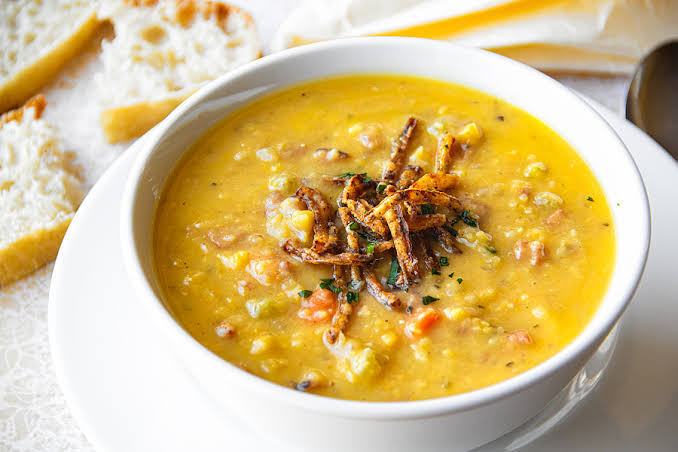
Indian yellow split pea soup is a classic and deeply comforting dish that has been enjoyed across millions of households for centuries. This traditional recipe centers around cooking dried yellow split peas until they become soft, creamy, and completely tender, then infusing them with aromatic spices. Known widely in Indian culture as dal, this soup is a true staple of home cooking because it transforms modest pantry items into a rich feast. Beginners often feel intimidated by Indian cooking due to the variety of spices involved, but this particular recipe keeps things incredibly simple and approachable. You do not need any special culinary training or hard to find kitchen gadgets to master this hearty and satisfying soup. By following this easy guide, you will learn how to unlock deep flavors using basic techniques that anybody can perform right on their home stove. It is a wonderful way to expand your cooking skills while introducing wholesome, vibrant, and traditional global flavors directly into your weekly meal rotation.
People absolutely love this Indian yellow split pea soup because it offers an incredible depth of flavor while remaining exceptionally light on the wallet. Unlike expensive store bought soups or complicated restaurant dishes, this meal relies on affordable dried legumes that stay fresh in your kitchen cupboard for months. The comforting texture of the soup feels like a warm hug in a bowl, making it a universal favorite for children and adults alike. Another major reason for its popularity is how easily customizable the recipe is, allowing you to control the thickness and the spice level to fit your exact taste preferences. Many home cooks appreciate that it requires very little active effort, as the split peas simmer away gently on the stove while filling the entire house with a wonderful aroma. It is also an excellent meal prep option because the flavors actually improve and deepen after sitting in the refrigerator overnight. Whether you serve it as a smooth starter or as a hearty main course, it consistently satisfies everyone at the dinner table.
You should make this nourishing soup whenever you need a dose of emotional comfort, a burst of warmth on a cold day, or a reliable fitness meal. From an emotional standpoint, cooking this soup acts as a form of culinary therapy because the slow simmering process encourages you to slow down and enjoy the kitchen space. It is the ultimate dish to prepare on a rainy afternoon or during a busy week when you want a home cooked meal that does not require constant supervision. For individuals focused on fitness and health, this soup is an absolute dream because it is naturally packed with plant based protein and complex carbohydrates. It provides clean, sustained energy without the heavy fats or sugars found in processed foods, making it ideal for muscle recovery or weight management goals. The rich presence of natural spices like turmeric and cumin adds a layer of wellness benefits that make your body feel vibrant and clean from the inside out. No matter your motivation, a warm bowl of this yellow split pea soup is guaranteed to elevate your mood and satisfy your appetite perfectly.
Ingredients You Will Need
To create this wonderful and flavorful Indian yellow split pea soup, you will need to gather a few essential ingredients. Having everything measured out and organized on your counter before turning on the stove will make your cooking experience calm and successful. Here is the complete list of ingredients with their precise quantities and units to help you achieve the best outcome.
-
Two cups of dried yellow split peas
-
Six cups of clean water
-
One large yellow onion finely chopped
-
Three cloves of fresh garlic minced
-
One tablespoon of fresh ginger grated
-
Two medium tomatoes finely diced
-
One teaspoon of ground turmeric powder
-
One teaspoon of ground cumin
-
One teaspoon of ground coriander
-
One half teaspoon of red chili powder
-
One teaspoon of whole cumin seeds
-
One teaspoon of mustard seeds
-
Two tablespoons of vegetable oil or clarified butter
-
One teaspoon of fine sea salt
-
One fresh lemon juiced
-
One half cup of fresh cilantro chopped for garnish
Step by Step Method
Washing the Split Peas
Begin by measuring out your two cups of dried yellow split peas and placing them into a large bowl. Pour plenty of cool water over the peas and use your clean hands to swish them around gently to remove any dust or debris. Pour out the cloudy water and repeat this rinsing process three or four times until the water stays mostly clear. This step is very important because washing the peas removes excess surface starches and ensures a clean, pure flavor for your soup.
Boiling the Yellow Split Peas
Transfer the washed yellow split peas into a large, deep soup pot and pour in the six cups of clean water. Turn your stove burner to high heat and bring the water to a full, rolling boil. As the water starts boiling, you might see some white foam rise to the top surface of the liquid. Use a large spoon to skim off and discard this foam, which helps keep your final soup looking bright and beautiful.
Simmering with Turmeric
Once the foam is removed, stir in the one teaspoon of ground turmeric powder and reduce the stove heat down to low. Place a lid on the pot, but leave it slightly cracked so that steam can escape and prevent the pot from boiling over. Let the split peas simmer gently for about forty to forty five minutes without disturbances. You will know they are ready when the peas are completely soft and smash easily when pressed against the side of the pot with a spoon.
Preparing the Aromatics
While your split peas are simmering away, you can prepare the flavor base for your soup in a separate pan. Place a medium skillet on the stove over medium heat and add the two tablespoons of vegetable oil or clarified butter. Let the oil get warm for about one minute until it looks glossy and moves easily across the bottom of the skillet.
Toasting the Whole Seeds
Carefully add the one teaspoon of whole cumin seeds and the one teaspoon of mustard seeds into the hot oil. Hold the handle of the skillet and swirl the oil around so the seeds cook evenly without burning. Within thirty seconds, you will hear the mustard seeds start to pop and crackle, and the cumin seeds will become very fragrant. This traditional Indian technique releases the essential oils trapped inside the seeds, giving the soup a professional depth of flavor.
Sautéing the Onion, Garlic, and Ginger
Immediately add the one large finely chopped yellow onion into the crackling seeds and oil. Stir the onion continuously for about five minutes until it becomes soft, translucent, and slightly golden around the edges. Next, add the three cloves of minced garlic and the one tablespoon of grated fresh ginger into the pan. Cook these ingredients together for just one more minute, stirring constantly so the garlic does not scorch and turn bitter.
Cooking the Tomatoes and Spices
Add the two medium finely diced tomatoes into the skillet along with the ground cumin, ground coriander, red chili powder, and sea salt. Stir everything together thoroughly and let the mixture cook for about five minutes over medium heat. The tomatoes will release their juices and soften into a thick, deeply colored paste that smells incredibly savory and rich.
Combining the Soup and Flavor Base
Carefully pour this hot tomato and spice mixture directly into the large pot with your cooked, soft yellow split peas. Use a long spoon to stir the pot thoroughly so the flavor base blends completely with the creamy peas. Let the combined soup simmer together on low heat for an additional ten minutes, allowing all the distinct flavors to marry into one cohesive taste.
Adjusting the Consistency
Look at the thickness of your soup and decide if it matches your personal preference. If you prefer a thinner, more pourable soup, you can stir in an extra cup of warm water during these final minutes of simmering. If you prefer a completely smooth and velvety texture, you can use an immersion blender to purée a portion of the soup directly inside the pot.
Finely Finishing the Dish
Turn off the stove burner completely and remove the pot from the hot heating element. Stir in the fresh juice of one lemon, which cuts through the richness and brightens up all the heavy spices perfectly. Ladle the hot soup into beautiful serving bowls and scatter the fresh chopped cilantro across the top for a gorgeous pop of color and flavor.
Why This Recipe Is Special
This Indian yellow split pea soup is special because it delivers an exceptional balance of nutritional density and pure sensory comfort. Because it is prepared entirely from scratch using whole food ingredients, you completely avoid the high sodium levels and chemical stabilizers found in canned alternatives. This makes it an incredibly clean meal that actively nurtures your body, giving you lasting satisfaction and peace of mind with every bowl. The flavor profile is uniquely complex because the combination of toasted whole seeds and ground spices creates layers of taste that evolve as you eat.
From a nutritional perspective, this recipe is a powerful tool for maintaining a healthy lifestyle and supporting your bodily functions. Yellow split peas are an outstanding source of dietary fiber, which promotes excellent digestion and helps regulate your blood sugar levels throughout the day. They also offer a fantastic amount of plant based protein, making this soup an ideal choice for vegetarians, vegans, or anyone looking to reduce their meat consumption. The inclusion of turmeric brings a healthy element to the table, while the fresh garlic and ginger provide natural properties that support your immune system.
Extra Tips for Better Taste
-
Soak the Peas Early: If you have extra time, soak your yellow split peas in water for one hour before cooking to reduce the boiling time by half.
-
Use Quality Fats: Cooking your spices in authentic clarified butter provides a traditional, nutty flavor that regular vegetable oil cannot match.
-
Do Not Forget Acid: Always add the lemon juice at the very end of cooking because heat can destroy the bright, fresh quality of the citrus flavor.
-
Grate Fresh Aromatics: Using fresh ginger and garlic instead of pre packaged pastes makes a massive difference in the clarity and punch of the soup.
-
Control the Texture: Leave half of the split peas whole and mash the other half to create a rustic texture that feels incredibly satisfying.
-
Incorporate Fresh Greens: Stir a handful of fresh baby spinach into the hot soup during the final two minutes of cooking for extra color and vitamins.
Final Thoughts
Mastering the art of Indian yellow split pea soup is a rewarding journey that fills your kitchen with wonderful warmth and unforgettable aromas. This timeless recipe proves that simple, budget friendly ingredients can be transformed into a spectacular meal when treated with care and proper spice techniques. Sharing a big pot of this comforting soup with family and friends is a beautiful way to celebrate wholesome home cooking. We hope this clear guide encourages you to gather your ingredients and enjoy the soothing process of making this golden soup tonight.
Nutrition Details
This table outlines the approximate nutritional values for one single serving of this Indian yellow split pea soup. This comforting recipe yields a total of six generous servings, making it perfect for family dinners or weekly meal planning.
| Nutrient Type | Amount Per Serving | Percentage of Daily Value |
| Calories | 240 calories | 12 percent |
| Total Fat | 5 grams | 6 percent |
| Saturated Fat | 1 gram | 5 percent |
| Cholesterol | 0 milligrams | 0 percent |
| Sodium | 410 milligrams | 18 percent |
| Total Carbohydrates | 36 grams | 13 percent |
| Dietary Fiber | 14 grams | 50 percent |
| Total Sugars | 4 grams | 8 percent |
| Protein | 13 grams | 26 percent |
| Calcium | 45 milligrams | 4 percent |
| Iron | 3 milligrams | 17 percent |
Disclaimer
The nutritional data presented within this article is an estimate calculated using regular ingredient profiles and should serve as a general reference tool only. Every human body functions in its own unique way, meaning individual caloric needs, dietary responses, and digestive rates will vary from person to person. If