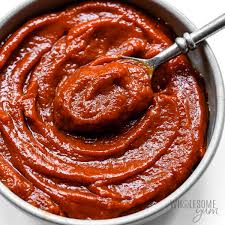
Imagine sitting at a backyard picnic table on a warm summer evening with the smell of smoky wood filling the air while your favorite meat sizzles away on the grill. Standard barbecue sauce is usually packed with high fructose corn syrup and massive amounts of refined sugar which can instantly kick you out of ketosis and ruin your healthy eating goals for the week. This easy keto barbecue sauce is the perfect answer for anyone who wants that deep smoky sweet flavor without any of the sugar crashes or health guilt that comes with standard store bought versions. We have created a recipe that mimics the rich texture and complex flavor profile of traditional Kansas City style sauces while keeping the net carb count incredibly low so you can pour it generously over everything. It is smooth thick tangy and has just the right amount of sweetness to satisfy your deepest comfort food cravings while keeping your body burning fat for fuel.
People absolutely love this recipe because it takes less than twenty minutes to make from start to finish and uses simple pantry staples that you probably already have in your kitchen right now. Instead of spending hours simmering a complicated concoction on the stove you just whisk these everyday ingredients together and let them cook down into a glossy beautiful glaze. It is highly customizable so you can easily adjust the heat levels or the sweetness to match your exact personal preferences without ruining the chemical balance of the recipe. Beginners love how forgiving it is because you do not need any special culinary skills or expensive kitchen gadgets to achieve a gourmet result that tastes way better than anything you can buy in a bottle. Your friends and family members will not even realize that this is a healthy low carb alternative because it possesses the same finger licking stick to your ribs quality as the sugar laden originals.
You should make this sauce whenever you feel like bringing life back to your meal prep routine or when you are hosting a weekend gathering where you want to impress both keto followers and standard eaters alike. Food is deeply tied to our emotions and giving up your favorite comfort foods can sometimes make a new lifestyle feel restrictive or lonely during social events. Preparing this recipe allows you to fully participate in summer cookouts family dinners and football game days without feeling like you are depriving your taste buds or missing out on the fun. From a fitness perspective it gives you a powerful tool to stay on track with your weight loss or muscle building goals because it adds massive flavor for almost zero extra calories. It transforms dry chicken breasts simple pork chops or basic ground beef into a spectacular meal that makes healthy eating feel like an absolute luxury every single day.
       _  __     _          ____  ____   ____    ____
      | |/ / ___| |_ ___   | __ )| __ ) / ___|  / ___|  __ _ _   _  ___ ___
      | ' / / _ \ __/ _ \  |  _ \|  _ \| |  _  \___ \ / _` | | | |/ __/ _ \
      | . \  __/ || (_) | | |_) | |_) | |_| |  ___) | (_| | |_| | (_|  __/
      |_|\_\___|\__\___/  |____/|____/ \____| |____/ \__,_|\__,_|\___\___|
Ingredients You Will Need
To create this delicious low carb sauce you will need to gather a few basic items from your pantry and refrigerator. Make sure you measure everything accurately before you begin cooking so the process goes smoothly.
-
Tomato Paste: 6 ounces (one standard small can)
-
Apple Cider Vinegar: 0.5 cups
-
Water: 0.75 cups (you can add a little more later if you prefer a thinner consistency)
-
Granulated Erythritol or Allulose: 0.5 cups (allulose melts beautifully and prevents crystallization)
-
Liquid Smoke: 1 teaspoon (hickory or mesquite flavor works best)
-
Yellow Mustard: 1 tablespoon
-
Garlic Powder: 1 teaspoon
-
Onion Powder: 1 teaspoon
-
Smoked Paprika: 1 teaspoon
-
Salt: 0.5 teaspoon
-
Black Pepper: 0.25 teaspoon
-
Cayenne Pepper: 0.25 teaspoon (you can omit this if you prefer a completely mild sauce)
Step by Step Method
Step 1: Choose Your Pot
Select a medium sized saucepan with a thick bottom because a heavy pot distributes heat much more evenly and prevents the tomato base from burning or sticking to the lower surface. Place the saucepan on your stove but keep the heat completely turned off for this first step so you can mix comfortably without anything splattering.
Step 2: Combine the Wet Base
Open your small can of tomato paste and scrape every bit of it into the bottom of the saucepan using a rubber spatula. Pour in the apple cider vinegar and the water directly over the tomato paste then use a wire whisk to blend them together until the paste dissolves into a smooth uniform liquid.
Step 3: Add the Sweetener and Acidifiers
Measure out your granulated allulose or erythritol and sprinkle it into the tomato mixture while whisking constantly to help it start dissolving. Add the yellow mustard and the liquid smoke to the pot which will instantly bring that familiar sharp tang and deep outdoor wood fire aroma to the liquid base.
Step 4: Incorporate the Dry Spices
Measure your garlic powder onion powder smoked paprika salt black pepper and cayenne pepper then dump them all into the saucepan. Whisk the entire mixture vigorously for about one full minute until all the dry spices are completely integrated and no clumps remain floating on top.
Step 5: Bring to a Gentle Simmer
Turn your stove burner on to medium high heat and watch the pot closely until you see small bubbles beginning to break the surface of the sauce. As soon as it starts bubbling reduce the heat down to low immediately because tomato based sauces can easily scorch and pop out of the pot if they get too hot.
Step 6: Simmer and Cook Down
Let the barbecue sauce simmer uncovered on low heat for fifteen minutes while stirring every couple of minutes with a long handled wooden spoon. During this time the liquid will reduce slightly the colors will darken into a beautiful deep mahogany and the sweetener will fully melt into a glossy sticky glaze.
Step 7: Taste and Adjust
Carefully dip a clean spoon into the sauce let it cool for a few seconds so you do not burn your tongue and take a taste. If you want it sweeter you can add another tablespoon of low carb sweetener or if you want more tang you can splash in a tiny bit more apple cider vinegar.
Step 8: Cool and Store
Remove the saucepan from the hot burner and let the sauce sit at room temperature for at least thirty minutes to cool down completely. As it cools you will notice that it becomes significantly thicker and the flavors will continue to marry together beautifully before you transfer it to a storage jar.
Why This Recipe Is Special
This specific recipe stands out from the crowd because it completely eliminates the chemical preservatives artificial food colorings and thickeners found in industrial grocery products. When you look at the back of a standard commercial bottle you will often see high fructose corn syrup listed as the very first ingredient followed by modified food starch and artificial smoke flavorings. By making this at home you control every single clean ingredient that goes into your body which gives you ultimate peace of mind.
From a nutritional perspective this recipe is a total game changer for anyone monitoring their blood sugar or practicing a strict ketogenic lifestyle. Traditional barbecue sauce can pack up to sixteen grams of pure sugar in just a tiny two tablespoon serving which causes a massive insulin spike and stops fat burning instantly. Our version contains only a fraction of those carbohydrates which come naturally from the tomato paste while using keto friendly sweeteners that possess a glycemic index of zero.
The taste profile is incredibly rich balanced and sophisticated rather than just being intensely sweet like cheap store brands. The combination of apple cider vinegar gives it a sharp bright pop that cuts through the fat of heavy meats like brisket or pork ribs perfectly. Meanwhile the smoked paprika and liquid smoke give it an authentic pit master quality that makes it taste like it has been slow cooking over wood coals for twelve hours.
+-------------------------------------------------------------------+
|                       BENEFIT HIGHLIGHTS                          |
+-------------------------------------------------------------------+
| * Zero Added Refined Sugars     | * Budget Friendly Pantry Items |
| * No Artificial Preservatives   | * Fully Customizable Heat Levels|
| * Under 15 Minutes Cook Time    | * Diabetic and Celiac Friendly  |
+-------------------------------------------------------------------+
Extra Tips for Better Taste
To take this sauce to an even higher culinary level you can try a few creative variations based on your personal preferences. If you happen to love a deep molasses style flavor that is common in southern barbecue you can swap the white granulated sweetener for a brown erythritol or brown allulose blend. This adds a rich warm undertone that perfectly mimics traditional brown sugar without adding any actual carbohydrates or calories to the recipe.
For those who crave an extra spicy kick you can easily increase the heat by adding a few dashes of your favorite low carb hot sauce or half a teaspoon of crushed red pepper flakes during the simmering process. Alternatively if you prefer a sweet and savory profile you can stir in a tablespoon of finely grated fresh onion or a press of fresh garlic cloves instead of using the powdered versions. Just keep in mind that fresh ingredients will reduce the shelf life slightly so you will want to consume the batch a bit quicker.
Another fantastic tip is to make this sauce at least twenty four hours before you actually plan on using it for a big dinner or barbecue party. Allowing the sauce to rest in a sealed glass jar in your refrigerator overnight gives the dry spices time to fully hydrate and allows the smoky elements to blend seamlessly with the sweet and sour notes. If the sauce becomes too thick after chilling in the refrigerator simply whisk in a tablespoon of warm water or bone broth right before serving to bring it back to your desired consistency.
Final Thoughts
Making your own low carb condiments is one of the most empowering steps you can take on your health journey because it proves that you do not have to sacrifice flavor to achieve your fitness goals. This easy keto barbecue sauce is so rich thick and satisfying that it quickly becomes a staple item in your weekly meal preparation routine. Whether you are slathering it onto juicy grilled chicken wings tossing it with shredded pulled pork or using it as a dipping sauce for crispy baked zucchini fries it delivers pure satisfaction every time. Gather your ingredients head to the kitchen and enjoy the wonderful process of creating a healthy homemade masterpiece that everyone at your table will absolutely adore.
Nutrition Details
The following nutritional values are calculated per serving to help you easily track your daily macronutrient intake. Please note that these numbers are estimates based on standard ingredient databases and can vary slightly depending on the specific brands of tomato paste and sweeteners that you choose to purchase.
Recipe Yields and Serving Sizes
-
Total Yield: Approximately 1.5 cups of sauce
-
Serving Size: 2 tablespoons
-
Total Servings: 12 servings
Macronutrient Breakdown Table
| Nutrient Type | Amount Per Serving | Daily Percentage Value |
| Calories | 12 calories | 1% |
| Total Fat | 0 grams | 0% |
| Sodium | 115 milligrams | 5% |
| Total Carbohydrate | 3 grams | 1% |
| Dietary Fiber | 0.5 grams | 2% |
| Sugar Alcohols | 1.5 grams | 0% |
| Net Carbohydrates | 1 gram | 0.5% |
| Protein | 0.5 grams | 1% |
Disclaimer
This recipe and the accompanying nutritional information are intended purely for educational and informational purposes rather than professional medical advice. Every individual body is completely unique and your personal health outcomes or responses to specific ingredients can vary based on your metabolic rate genetics and current health status. If you have severe diabetes food allergies or specific medical conditions you should consult with a certified healthcare practitioner or a registered dietitian before making major alterations to your regular diet. Always check the labels on your specific store bought ingredients to ensure they align with your personal health metrics and dietary boundaries.