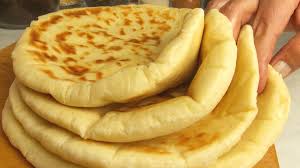
Bazlama is a traditional Turkish yogurt flatbread that has brought comfort and warmth to village tables across Turkey for hundreds of years. This ancient bread is famous for its exceptionally soft texture, beautiful golden spots, and a wonderful pocket of air that forms inside as it puffs up on a hot skillet. The magic of this recipe lies in the combination of yeast and thick yogurt, which works to create a dough that remains incredibly tender and pliable without requiring a specialized outdoor oven. It is a staple of Mediterranean cooking that celebrates the beauty of simple ingredients coming together to create something far greater than the sum of its parts. Whether you are a seasoned baker who loves working with yeast or a complete beginner looking for an easy introduction to bread making, this recipe guarantees a rewarding and delicious result every single time. You do not need a fancy baking stone or a wood fired grill to achieve authentic results, just a heavy pan and a little bit of patience. It is the type of ancestral food that reminds us how a few basic pantry staples can fill a home with an aroma of pure happiness and security.
People absolutely love this recipe because it provides an unmatched combination of pillowy softness, rich flavor, and immense satisfaction. There is a deeply therapeutic joy in watching a flat piece of dough slowly expand and balloon into a large, hollow bread right before your eyes on the stove. Busy families love it because the dough is incredibly forgiving and can be easily prepped ahead of time for fresh bread throughout the week. Outdoor lovers and barbecue enthusiasts frequently make this flatbread because it cooks beautifully over an open fire or a backyard grill during summer gatherings. Cleanup is remarkably easy since everything is mixed in a single large bowl and cooked in a dry pan without creating a massive pile of greasy dishes. It is a versatile, stress relieving recipe that brings a sense of rustic adventure into your kitchen, allowing you to slow down and enjoy the timeless craft of working with your hands.
This is the perfect bread to make when you want to connect with feelings of cozy comfort, shared hospitality, and simple nourishing goodness. Food holds a beautiful power to anchor us, and tearing into a warm, steaming piece of fresh Bazlama coated in melted garlic butter brings an instant feeling of peace after a hectic day. From a flavor perspective, it satisfies your deepest cravings for savory comfort because the yogurt introduces a subtle, complex tanginess that pairs beautifully with rich stews or fresh cheeses. If you are focused on wholesome eating or fitness, this homemade flatbread is a wonderful alternative to store bought versions because it is completely free of chemical preservatives, artificial softeners, or excessive sugars. You can easily control the quality of the flour or swap in a portion of whole wheat flour to boost the fiber content to match your personal nutritional goals. It serves as a beautiful daily reminder that feeding your body well can be an incredibly simple, natural, and deeply satisfying experience.
You should make this traditional Turkish flatbread whenever you want to elevate a casual weekend breakfast, a cozy soup night, or a festive Mediterranean dinner platter. It is an exceptional choice for hosting an interactive dinner party where guests can watch you cook the bread fresh to order, serving it alongside vibrant dips like hummus or tzatziki. It also acts as a reliable meal prep solution because the cooked flatbreads freeze beautifully and can be popped into a toaster for an instant homemade element during busy weeknights. If you find yourself craving a comforting baking project on a quiet Sunday afternoon, this dough offers the perfect balance of simple technique and high reward. It is a highly adaptable canvas that welcomes creative toppings, meaning you can transform it into a quick skillet pizza or wrap it around grilled meats and fresh herbs. Ultimately, this recipe is about celebrating the simple joys of home cooking, proving that water, flour, and yogurt can create a truly unforgettable dining experience.
Ingredients You Will Need
To create this exceptionally soft and pillowy Turkish flatbread, you will need to gather a few simple ingredients from your kitchen pantry and refrigerator. This recipe makes four large, shared flatbreads or six medium individual portions, and it can be easily doubled to feed a larger crowd.
-
4 cups of all purpose flour, plus a little extra for dusting your counter during the rolling process
-
1 packet of active dry yeast, which is about two and a quarter teaspoons
-
1 tablespoon of granulated white sugar to activate the yeast and help the crust brown beautifully
-
1 half cups of warm water, kept around 105 degrees Fahrenheit so it wakes up the yeast without killing it
-
1 half cup of plain thick Greek yogurt or traditional Turkish yogurt, brought to room temperature
-
1 half tablespoons of fine sea salt to season the dough thoroughly
-
2 tablespoons of olive oil, used to grease the bowl and keep the dough soft while it rises
-
4 tablespoons of unsalted butter, melted and mixed with minced fresh parsley for brushing over the hot bread
Step by Step Method
Activating the Yeast
Before you begin working with your flour, ensure your workspace is clean and wash your hands thoroughly with warm water and soap. Pour your one and a half cups of warm water into a small bowl or a glass measuring cup, checking that it feels pleasantly warm but not hot to the touch. Stir the white sugar and the active dry yeast directly into the warm water using a spoon until they dissolve completely. Let the mixture sit undisturbed on your kitchen counter for about five to ten minutes. You will know the yeast is alive and active when a thick, frothy foam forms across the top surface and releases a rich bakery aroma.
Mixing the Dough
In a large mixing bowl, combine the four cups of all purpose flour and the fine sea salt, stirring them together with a large wooden spoon. Make a deep well or hollow space in the direct center of the flour mixture. Pour your frothy activated yeast water and the half cup of room temperature plain yogurt straight into the well. Use your wooden spoon to gently draw the flour from the sides of the bowl into the liquid ingredients, stirring continuously. Keep mixing until a shaggy, sticky dough starts to form and pulls away from the sides of your bowl.
Kneading and the First Rise
Dust your clean kitchen counter with a thin layer of extra flour and turn the shaggy dough out onto the surface. Use the palms of your hands to push, fold, and turn the dough continuously for about eight to ten minutes. As you knead, the dough will transform from a sticky mess into a beautiful, smooth, and elastic ball that springs back gently when touched. Drizzle a tablespoon of olive oil inside a clean large bowl, place your kneaded dough ball inside, and turn it over so it is coated in oil. Cover the bowl tightly with a clean kitchen towel and place it in a warm, draft free spot in your home for one hour, or until the dough doubles in size.
Shaping the Flatbreads
Once the dough has doubled beautifully, gently press your fist into the center to release the trapped air bubbles. Turn the puffy dough out onto a lightly floured surface and use a knife to divide it into four equal portions for large breads, or six portions for smaller breads. Roll each portion with your hands into a neat, smooth ball. Place the dough balls on your counter, cover them with your kitchen towel, and let them rest for fifteen minutes to allow the gluten to relax. After resting, use a rolling pin or the palms of your hands to gently flatten each ball into a circular disc that is about half an inch thick.
Cooking on the Skillet
Place a heavy cast iron skillet, a nonstick frying pan, or a traditional crepe pan over medium heat on your stove and let it get thoroughly hot. Do not add any oil or butter to the pan, as Bazlama must be cooked in a dry skillet. Gently lift one flattened dough disc and place it directly into the hot pan. Cook for about two minutes, watching closely as small bubbles begin to form across the top surface. Flip the bread over to the second side using a wide spatula, and watch with excitement as the flatbread begins to inflate beautifully like a balloon. Cook for another two minutes until both sides feature beautiful, deep golden brown spots.
Brushing and Serving the Bread
Carefully remove the hot, puffed flatbread from your skillet using tongs and place it onto a clean plate. Immediately brush the top surface of the hot bread with your melted butter and fresh parsley mixture, allowing the rich fat to soak deep into the warm crust. Stack the cooked flatbreads on top of each other and wrap them inside a clean kitchen towel to keep them incredibly soft and warm while you finish cooking the remaining dough discs. Serve the Bazlama immediately while it is fresh and steaming hot, allowing everyone to tear off large pieces to scoop up savory dips or wrap around their favorite fillings.
Why This Recipe Is Special
This traditional Bazlama recipe is incredibly special because it brings the authentic essence of ancient Turkish village baking right into a modern home kitchen without requiring any specialized tools. It offers home cooks a brilliant lesson in the power of simple fermentation, showing how a humble ingredient like yogurt can completely revolutionize the texture of a yeast dough. The lactic acid present in the yogurt breaks down the gluten strands gently, resulting in a bread that is incomparably softer and more pliable than standard flatbreads made with water alone.
From a nutritional perspective, this homemade bread is a wonderful, wholesome choice that supports a clean and balanced lifestyle. By making your flatbread from scratch, you completely eliminate the need for industrial shelf stabilizers, high fructose corn syrup, or excessive sodium that are commonly hidden in store bought wraps. The inclusion of plain yogurt introduces a subtle boost of protein and essential calcium that aids in muscle maintenance and bone health. Because it is cooked quickly over dry heat, it does not absorb excess heavy oils during the frying process, keeping the overall fat content completely balanced and light.
The flavor experience of this Turkish flatbread is truly outstanding, offering a delightful combination of earthy yeast notes and a bright, refreshing dairy tang. As the bread cooks on the dry skillet, the high heat caramelizes the exterior flour slightly, creating a beautiful smoky aroma that mimics a traditional wood fired oven. The interior remains incredibly moist and steamy, creating a distinct pocket that is perfect for stuffing with fresh ingredients or absorbing rich savory juices. It delivers a deeply comforting, authentic taste that connects you to generations of culinary tradition, leaving everyone at your table feeling nourished, satisfied, and deeply happy.
Extra Tips for Better Taste
-
Mix a teaspoon of garlic powder or a tablespoon of finely chopped fresh rosemary directly into the dry flour mixture to give your dough an extra layer of savory herbal flavor.
-
Ensure your yogurt is truly at room temperature before adding it to the well, as cold yogurt from the fridge can shock the yeast and slow down your rise time significantly.
-
Keep your skillet at a steady medium heat; if the pan is too hot, the outside of the bread will burn before the interior has a chance to steam and puff up properly.
-
Swap half a cup of the all purpose flour for whole wheat flour to add a lovely, rustic nutty flavor and increase the dietary fiber content of your flatbreads.
-
Store any leftover cooked flatbreads in a tightly sealed zip top bag at room temperature for up to three days, then reheat them in a dry pan for thirty seconds to restore their pillowy softness.
-
Top the hot buttered bread with a sprinkle of nigella seeds or toasted sesame seeds to achieve a traditional, authentic bakery appearance and a delightful crunch.
-
If your flatbread does not puff up immediately on the second flip, use your spatula to press down very gently on the edges to encourage the steam to move into the center.
Final Thoughts
Baking traditional Bazlama is a beautiful way to bring a sense of simplicity, warmth, and global adventure into your everyday cooking routine. This ancient recipe serves as a comforting reminder that you do not need an array of complicated kitchen gadgets to create something truly spectacular and deeply nourishing for your family. It is a joyful, hands on process that turns a few basic ingredients into a beautiful celebration of texture and flavor that elevates any meal it accompanies. We hope this step by step guide inspires you to embrace the art of skillet bread making and enjoy the wonderful comfort of serving fresh, steaming flatbread straight from your stove. Roll your dough with care, watch it puff with joy, and savor the magnificent taste of tradition in every single bite.
Nutrition Details
The nutritional values provided in the table below are estimates calculated per individual flatbread, assuming the dough is divided into four equal large portions. These specific numbers can change depending on the brand of yogurt you choose and how generously you apply the melted butter topping.
| Nutrient Type | Amount Per Serving | Daily Percentage Value |
| Calories | 310 calories | 16 percent |
| Total Fat | 7 grams | 9 percent |
| Saturated Fat | 4 grams | 20 percent |
| Cholesterol | 15 milligrams | 5 percent |
| Sodium | 420 milligrams | 18 percent |
| Total Carbohydrates | 52 grams | 19 percent |
| Dietary Fiber | 2 grams | 7 percent |
| Sugars | 2 grams | 0 percent |
| Protein | 9 grams | 18 percent |
| Vitamin A | 180 international units | 4 percent |
| Vitamin C | 1 milligram | 1 percent |
| Calcium | 45 milligrams | 4 percent |
| Iron | 3 milligrams | 16 percent |
| Potassium | 125 milligrams | 3 percent |
Disclaimer
This traditional recipe and its accompanying nutritional values are created solely for informational, educational, and home cooking enjoyment. Every individual body possesses its own unique metabolism and health considerations, meaning personal nutritional requirements will vary based on your age, sex, weight, and general activity levels. The health outcomes and digestive comfort discussed in this article can vary from person to person based on lifestyle factors and specific ingredient selections. If you have unique dietary restrictions, wheat sensitivities, or require strict carbohydrate management, you should consult with a certified dietitian or a licensed healthcare professional. Always practice excellent kitchen safety measures and ensure your work surfaces are fully cleaned before handling raw yeast dough.