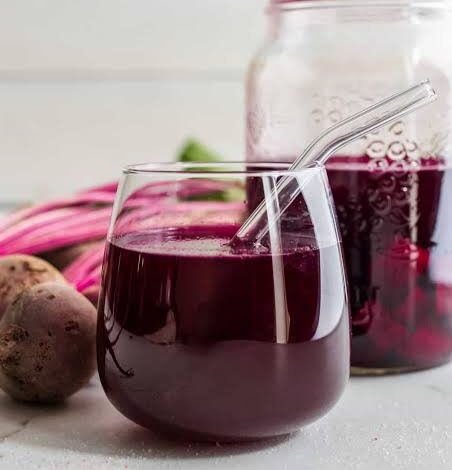
Beet kvass is a traditional fermented drink that has been enjoyed by families for many generations. This unique tonic is created by combining fresh red beets with clean water and salt, allowing natural bacteria to transform the sweet liquid into a sour and deeply nourishing drink. When you look into a jar of fresh beet kvass, you see a rich ruby color that looks as dynamic as it tastes. The process of making and storing this drink is rooted in simple home kitchen practices that celebrate healthy living and traditional food preparation. Canning or preserving beet kvass allows you to capture the peak freshness of ripe beets and keep this wonderful drink available in your pantry all year round. Many beginners are surprised to discover how simple the actual process really is once you learn the basic steps. By preserving your own batch at home, you ensure that every bottle is filled with natural ingredients without any artificial preservatives or unwanted chemicals.
People around the world adore beet kvass for its distinctively earthy yet pleasantly tart flavor profile. Unlike heavy sugary juices or commercial carbonated sodas, beet kvass offers a clean and deeply satisfying sip that refreshes the entire body. Home cooks love this recipe because it turns basic root vegetables from the garden or local market into something truly remarkable. The beautiful balance between the natural sweetness of beets and the salty sour notes creates a drink that feels special every time you pour a glass. Beyond the amazing taste, making beet kvass at home gives people a strong connection to traditional culinary methods. There is a real sense of pride that comes from filling your glass with a vibrant red tonic that you crafted entirely with your own hands. Friends and family members often become curious when they see this colorful drink, making it a wonderful conversation starter during meals and social gatherings.
There are so many fantastic reasons to bring beet kvass into your daily routine, whether you are focused on fitness, flavor, or simple wellness. Many athletes and active individuals drink beet kvass before or after workouts because beets are naturally famous for supporting physical stamina and healthy blood flow. Sip on a cold glass after a long day of outdoor work or an intense gym session to feel refreshed and restored in a completely natural way. Others turn to beet kvass during seasonal changes when they feel like their digestive system needs a soft and welcoming boost. Emotionally, taking time out of a busy afternoon to pour a quiet glass of home fermented kvass feels like a soothing act of self care. It provides a peaceful moment to slow down and nourish your body with authentic food made with real care and patience. Whatever your main goal happens to be, having a steady supply stored safely in your home creates comfort and consistent health benefits.
Learning how to properly store and prepare beet kvass at home gives you total control over your health choices and kitchen pantry inventory. When you preserve beet kvass in sealed glass jars, you create a convenient reserve of good nutrition that is ready whenever you need a quick drink. This process prevents food waste by allowing you to preserve large harvests of fresh farm beets before they lose their crisp texture. You can easily adjust the saltiness or flavor accents to perfectly suit your personal preference as you gain experience with each new batch. Many families enjoy making large batches together during the harvest season, turning the kitchen into a cozy hub of laughter and shared activity. Having beautiful jars of deep red tonic lined up on your pantry shelves brings a warm sense of accomplishment that simple store bought drinks can never replace. As you continue reading this detailed guide, you will learn every single step needed to create and store your own delicious beet kvass with complete confidence.
Ingredients You Will Need
To prepare a large, delicious batch of beet kvass for storage, collect these fresh ingredients in the exact measures listed below.
- 3 large organic red beets (washed thoroughly, peeled, and sliced into small cubes)
- 8 cups of pure filtered water (free from chlorine or heavy minerals)
- 1 tablespoon of coarse sea salt or non iodized pink Himalayan salt
- 1 quarter cup of fresh whey or raw sauerkraut juice (optional, used as a starter culture to speed up fermentation)
- 2 slices of fresh ginger root (peeled and kept thick)
- 2 cloves of fresh garlic (peeled and gently smashed)
- 1 tablespoon of fresh lemon juice (added right before bottling)
Step by Step Method
Step 1: Clean and Prepare Your Vegetables
Start your cooking journey by washing your fresh red beets under cool running water. Scrub away all bits of dirt from the skin using a soft vegetable brush. Carefully peel the outer skin off the beets using a hand peeler. Cut the cleaned beets into small, even cubes that are roughly half an inch wide. It is important not to grate or mash the beets, because tiny pieces can make the liquid muddy and cause the fermentation to move too fast. Set the neatly cubed beets aside in a clean bowl.
Step 2: Sanitize Your Jars and Equipment
Cleanliness is extremely critical whenever you work with fermented foods or preserved goods. Wash a large glass jar and your storage bottles thoroughly with hot water and mild dish soap. Rinse everything completely to ensure no soap residue remains behind. If you want extra safety, pour boiling water into the glass containers and let them stand for a few minutes before pouring the water out. Allow all jars, spoons, and cutting boards to air dry completely on a clean kitchen towel.
Step 3: Combine Ingredients in the Fermentation Jar
Place your prepared beet cubes gently into the bottom of your primary glass fermentation jar. Add the smashed garlic cloves and the slices of fresh ginger root if you choose to use those extra flavor enhancers. In a separate pitcher, mix the filtered water with the sea salt. Stir the salted water continuously until every single salt crystal is completely dissolved. Pour this salty liquid directly over the beet cubes in the glass jar, leaving at least two inches of space at the very top of the container. If you are using fresh whey or sauerkraut juice as a starter, stir it in gently now.
Step 4: Manage the Fermentation Process
Cover the top of the jar with a piece of clean cheesecloth or a breathable cotton cloth. Secure the cloth firmly around the neck of the jar with a strong rubber band. This cover lets air escape while keeping dust and tiny insects out of your liquid. Place the jar on your kitchen counter in a warm spot away from direct sunlight. Allow the liquid to ferment peacefully for three to seven days. You will notice small bubbles forming near the surface, and the color will turn into a deep dark red. Taste a tiny spoonful starting on day three until it reaches a pleasantly sour flavor that you love.
Step 5: Strain the Fermented Liquid
Once the kvass reaches your favorite taste level, it is time to separate the liquid from the solid ingredients. Place a fine mesh strainer over a large, clean glass bowl or measuring pitcher. Pour the fermented mixture slowly through the strainer to catch all the beet cubes, ginger, and garlic. Do not squeeze or crush the beet pieces, as this can make your final tonic cloudy. You can save the remaining beet cubes to use a second time for a lighter batch, or add them into cooked soups.
Step 6: Bottle and Seal for Storage
Add the fresh lemon juice to the clear red liquid and stir gently. Pour the finished beet kvass carefully into your sanitized glass canning jars or flip top swing bottles. Leave about one inch of empty space at the top of each bottle. Seal the caps or lids very tightly. Place the sealed bottles directly into your refrigerator or a very cool cellar where the temperature stays consistently cold. The cold temperature slows down further fermentation and keeps your kvass tasting fresh, crisp, and delightfully sour for many months.
Why This Recipe Is Special
This beet kvass recipe is truly special because it blends ancient food wisdom with simple everyday cooking techniques. Unlike modern sports drinks or factory juices, this recipe relies completely on natural fermentation to create bold flavor and rich nutritional value. The combination of simple red beets, pure water, and salt creates a drink that supports your body in a gentle way. Because you make it from scratch at home, you have absolute control over the quality of every single ingredient that goes into your body.
From a health viewpoint, beet kvass is loaded with natural enzymes, valuable minerals, and friendly micro organisms that support your digestive health. Drinking a small glass each day helps balance your stomach environment, making it much easier for your body to absorb vitamins from other daily foods. Beets are naturally rich in nitrates and antioxidants, which promote smooth circulation, healthy blood pressure levels, and steady physical energy. People often notice that drinking kvass gives them a clean surge of vitality without the nervous jitters that often come from coffee or sugar.
The taste profile of this recipe is completely unique and exciting for your palate. It offers a wonderful mixture of deep earthy tones, bright salty accents, and a clean sour finish that wakes up your senses. Adding subtle notes of garlic and ginger elevates the flavor from simple root vegetable juice to an artisan tonic. It acts as a fantastic palate cleanser during heavy meals and leaves your mouth feeling refreshed and clean after every sip.
Extra Tips for Better Taste
To make your beet kvass taste even more amazing, consider trying a few simple creative variations. You can toss a few whole black peppercorns or a small stick of cinnamon into the jar during the initial fermentation stage for a soft warm spice note. Adding a few sprigs of fresh dill or a strip of orange peel creates a delightfully aromatic twist that pairs wonderfully with the natural earthiness of red beets. Always taste your batch daily so you learn exactly which day of fermentation provides your favorite balance of sourness and sweetness.
If you prefer a lighter and sweeter taste, shorten the fermentation time to just three days before chilling the bottles. If you love a bold, tangy tonic with maximum sour notes, allow the jar to rest on your counter for six or seven full days. Make sure to use high quality water that is completely free of chlorine, as city tap water chemicals can prevent the friendly bacteria from growing properly. Using organic beets is also highly recommended because the natural skins carry beneficial native micro organisms that ensure a successful fermentation every single time.
Final Thoughts
Making your own canned beet kvass at home is an extremely rewarding journey that connects you with time tested culinary traditions. With just a handful of simple ingredients and a little bit of patience, you can fill your refrigerator with a vibrant, nutrient dense tonic that supports your overall daily wellness. We hope this simple guide encourages you to take your first steps into the world of home fermentation with complete confidence. Share a chilled glass with your loved ones, enjoy the crisp sour flavor, and celebrate the incredible power of simple home cooking!
Nutrition Details
Here is the approximate nutritional breakdown for a single serving of fresh beet kvass.
Nutrition Table (Per Serving)
NutrientAmount Per Serving
| Serving Size | 1 Cup (8 fl oz) |
| Calories | 35 kcal |
| Total Carbohydrates | 7 g |
| Dietary Fiber | 1 g |
| Sugars | 4 g |
| Protein | 1 g |
| Sodium | 280 mg |
| Potassium | 300 mg |
| Vitamin C | 6 percent Daily Value |
| Iron | 4 percent Daily Value |
Note: Nutritional value may vary slightly depending on the exact length of fermentation and the size of your beet cubes.
Disclaimer
This recipe and all health related information provided in this guide are intended strictly for educational and informational purposes. Every individual body is unique, and personal health reactions or nutritional benefits may vary from person to person. If you have specific medical conditions, severe digestive issues, or low blood pressure, please consult with a qualified healthcare professional or doctor before making significant changes to your daily diet or consuming raw fermented foods.