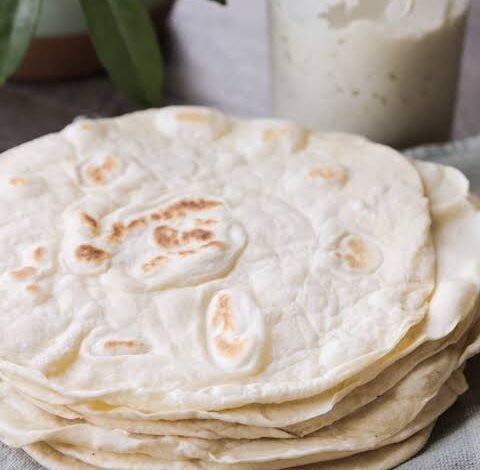
Sourdough tortillas are a wonderful twist on a everyday staple that brings comfort, incredible flavor, and great nutrition directly into your home kitchen. If you have ever tasted a soft, warm tortilla right off a hot pan, you already know that store bought versions simply cannot compare to fresh homemade ones. When you add active sourdough starter or leftover starter discard into the dough mixture, something truly magical happens to both the texture and the taste. The gentle tangy flavor of the sourdough balances beautifully with the rich taste of healthy fats and simple unbleached flour. Making your own flatbreads at home is a deeply rewarding experience that turns basic pantry ingredients into delicious, flexible wraps for your favorite meals. You do not need any fancy bakery equipment or advanced culinary skills to master this easy recipe, making it an ideal weekend project for both novice cooks and seasoned home bakers alike.
People all across the world absolutely adore this recipe because it combines the nostalgic comfort of traditional Mexican style flatbreads with the gut friendly power of fermented grains. Standard store bought wraps are often packed with artificial preservatives, excessive sodium, hydrogenated oils, and chemical shelf stabilizers that can leave you feeling bloated or sluggish. In contrast, these homemade flatbreads rely on clean ingredients and natural fermentation to create a soft, pillowy texture that folds without cracking or tearing. Food lovers appreciate how versatile they are, whether you are rolling up spicy morning eggs, packing fresh savory lunches, or building late night tacos for your family. The subtle sour undertone elevates simple fillings like grilled chicken, roasted vegetables, and creamy avocado into a memorable restaurant quality meal that everyone requests again and again.
There are so many wonderful reasons to make these fresh flatbreads today, ranging from practical food waste reduction to genuine emotional wellness. If you maintain a active starter, you know how frustrating it feels to throw away extra discard during your daily feedings, but this recipe gives that discarded starter a delicious second life. From a fitness and health perspective, the natural fermentation process helps break down hard to digest gluten proteins and phytic acid, making these wraps much easier on your stomach while improving nutrient absorption. Emotionally, rolling out fresh dough by hand is a peaceful, grounding ritual that connects you to the mindful art of slow home cooking. Feeding your family wholesome food made completely from scratch brings a deep sense of pride, comfort, and joy that commercial grocery store options can never duplicate.
Once you experience the amazing taste and flexibility of fresh fermented wraps, you will never want to go back to processed plastic packages from the store. Preparing a big batch on a quiet afternoon fills your entire kitchen with the cozy, inviting aroma of toasted flour and warm butter. You can easily double or triple the recipe to freeze extra portions for quick busy weeknight meals, saving money while nourishing your body with high quality ingredients. Kids and adults alike enjoy participating in the fun preparation process, from dividing dough balls to watching the flatbreads puff up with air bubbles in the hot skillet. Investing a little bit of time into crafting your own flatbreads pays off immediately in incredible taste, superior nutrition, and pure culinary satisfaction.
Ingredients You Will Need
To craft the most tender and flavorful flatbreads, gather these simple high quality ingredients before you start mixing your dough.
-
Three cups of all purpose flour or unbleached bread flour
-
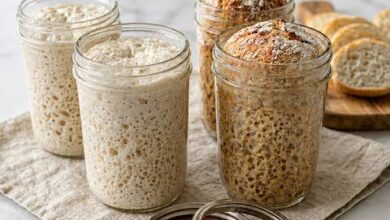
One cup of active sourdough starter or sourdough discard
-
Half a cup of warm pure water
-
One third cup of high quality olive oil, melted butter, or lard
-
One teaspoon of fine sea salt or kosher salt
-
Half a teaspoon of baking powder for extra fluffiness
Step by Step Method
Following a clear process ensures your dough turns out soft, pliable, and easy to roll without sticking or shrinking back.
Preparing and Mixing the Dough
Begin by gathering a large clean mixing bowl and a sturdy wooden spoon or rubber spatula. Pour your flour and fine sea salt into the bowl, along with the baking powder if you are using it for extra puffiness. Whisk these dry ingredients together thoroughly so the salt is evenly distributed throughout the mixture.
Next, make a small well in the center of the dry ingredients. Pour your sourdough starter, warm water, and choice of melted fat directly into that central well. Use your spoon to gently stir from the inside outward, gradually pulling the dry flour into the liquid center. Keep stirring until a shaggy, rough dough starts to form together in the bowl. If the mixture feels a bit dry or crumbly, add one extra tablespoon of warm water at a time until all the loose flour binds together nicely.
Kneading for the Perfect Texture
Lightly dust a clean countertop or large cutting board with a small pinch of extra flour. Transfer your shaggy dough out of the bowl and directly onto your prepared work surface. Clean any excess dough off your hands so you can knead without sticky build up.
Using the palms of your hands, push the dough forward away from your body, then fold it back over itself. Turn the dough a quarter turn and repeat this motion continuously. Knead the dough rhythmically for about five to seven minutes until it becomes smooth, soft, and elastic. The dough should feel tender and slightly warm, similar to the soft texture of your earlobe. If it feels too sticky to work with, dust your hands with a tiny bit of flour, but avoid adding too much flour or the finished wraps might turn out dry.
Resting and Fermenting the Dough
Shape your kneaded dough into a smooth round ball and place it back inside your mixing bowl. Cover the bowl tightly with a piece of damp cloth, a silicone lid, or reusable wrap to keep the dough surface from drying out.
Allow the dough to rest at room temperature for at least thirty minutes. This short rest allows the gluten network to relax so the dough rolls out smoothly without shrinking back like an elastic band. If you desire maximum health benefits and a richer tangy flavor, you can leave the covered dough on your counter for up to eight hours for a long room temperature fermentation, or place it inside your refrigerator overnight for up to twenty four hours.
Dividing and Shaping the Dough Balls
After your chosen resting time has passed, place the rested dough back onto your work surface. Use a sharp bench scraper or a butter knife to divide the dough evenly into eight equal portions for large wraps, or twelve equal portions for small taco sized wraps.
Take each piece of divided dough and roll it gently between your palms to form a smooth, tight round ball. Place all the smooth dough balls onto a flat baking tray or board. Cover them loosely with a damp towel to keep them moist, and let them rest quietly for another fifteen minutes. Resting the individual balls makes the final rolling process remarkably easy and stress free.
Rolling Out Thin Flatbreads
Preheat a heavy cast iron skillet, flat griddle, or heavy bottomed pan over medium high heat until it is thoroughly hot. While your pan heats up, lightly flour your rolling pin and work surface.
Take one dough ball, leave the rest covered, and flatten it slightly with your palm. Working from the center outward, roll the dough thin using gentle, even pressure. Rotate the dough frequently as you roll to maintain a relatively circular shape. Keep rolling until the dough circle is very thin, almost translucent, and roughly eight to ten inches across. Thin dough is the key to achieving soft wraps that fold effortlessly without breaking.
Cooking to Golden Perfection
Carefully lift your rolled dough circle and lay it flat into the dry, hot skillet. You do not need to add oil or cooking spray to the pan if it is properly heated and well seasoned.
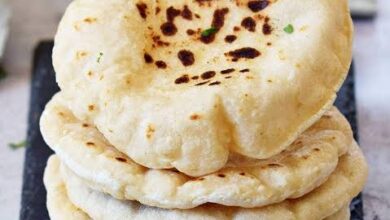
Let the flatbread cook for about forty five seconds to one minute on the first side. You will quickly see large air bubbles puffing up across the surface, and the pale dough will change to an opaque color. Flip the wrap over using tongs or a flat spatula. Cook the second side for another thirty to forty five seconds until light golden brown spots appear on the bottom. Remove the cooked wrap immediately and place it inside a folded clean kitchen towel or a dedicated insulated tortilla warmer to trap the steam. Repeat the rolling and cooking process for all remaining dough balls, stacking each hot wrap directly on top of the previous ones inside the towel to keep them moist, warm, and super pliable.
Why This Recipe Is Special
This unique flatbread recipe offers incredible advantages over standard factory made breads, blending fantastic taste with exceptional nutritional benefits.
Outstanding Digestive Benefits
The long natural fermentation provided by sourdough starter works like a gentle pre digestion process for the wheat flour. Wild yeasts and beneficial lactic acid bacteria break down complex starches, naturally present gluten structures, and anti nutrients like phytic acid. Phytic acid normally binds to essential minerals, preventing your body from absorbing them efficiently. Thanks to the fermentation process, your body can easily absorb vital nutrients like magnesium, zinc, iron, and B vitamins while enjoying a smooth digestion experience without uncomfortable gas or bloating.
Unmatched Fresh Flavor and Texture
Store bought wraps often rely on artificial flavor enhancers to mimic authentic taste, but sourdough creates genuine depth naturally. The slow bacterial activity creates subtle organic acids that yield a complex, buttery, and lightly tangy profile that enhances whatever fillings you put inside. Texture wise, steam trapped during the brief cooking process produces a delicate balance between a slightly crispy exterior and a pillowy, soft interior that bends easily around heavy taco fillings without splitting open.
Wholesome Simple Ingredients
When you prepare these wraps at home, you maintain absolute control over every single ingredient entering your body. Traditional commercial products frequently include potassium bromate, artificial conditioners, palm oil, and chemical preservatives designed for long shelf lives on supermarket displays. This clean home recipe relies strictly on pure flour, healthy fats, water, sea salt, and natural sourdough culture, providing wholesome peace of mind for health conscious families.
Extra Tips for Better Taste
Unlocking top tier restaurant quality flatbreads requires just a few creative kitchen tricks and smart adjustments.
Choose High Quality Fats
The specific fat you choose heavily influences the final flavor and tender texture of your flatbreads. For a rich, traditional taste, use high quality leaf lard or grass fed butter. If you prefer a lighter, heart healthy option with subtle earthy notes, extra virgin olive oil works wonderfully. Experimenting with rendered bacon fat or garlic infused oils can also add incredible savory depth to your finished wraps.
Master the Heat Control
Maintaining proper pan temperature is critical when cooking flatbreads. If your skillet is not hot enough, the dough will take too long to cook, drying out completely and becoming tough like a cracker. If the skillet is excessively hot, the outside will burn black before the inner dough cooks through. Aim for a confident medium high heat, allowing the pan to preheat fully for five to ten minutes before dropping in your first piece of dough.
Utilize the Power of Steam
The secret to ultra soft, bendable flatbreads is trapping the hot steam immediately after cooking. As soon as a wrap comes off the hot skillet, slide it straight into a clean cloth towel pouch or a lidded container. Stacking hot flatbreads on top of each other causes them to steam together, softening the outer crust and ensuring they stay flexible for hours or days.
Flavoring Your Dough
You can easily customize your basic dough by adding dried herbs, fragrant spices, or vegetable powders during the dry mixing step. Try mixing in a teaspoon of garlic powder, dried oregano, smoked paprika, or onion flakes for savory meals. For a colorful twist, replace a portion of the water with fresh spinach juice or beet puree to create vibrant, nutrient dense wraps that children love.
Final Thoughts
Making sourdough tortillas at home is a simple, fulfilling habit that brings incredible flavor, wholesome health benefits, and creative warmth into your kitchen. Once you master the simple rhythm of mixing, resting, rolling, and quick skillet cooking, you will never need to rely on stale packaged store wraps again. Whether you choose to bake a fresh batch for a weekend family taco feast or prepare them ahead during meal prep for the week, these soft flatbreads will elevate your daily meals into something truly special. Enjoy the peaceful process, embrace the rich natural sourdough flavor, and feel proud serving real, nutritious food to the people you love most.
Nutrition Details
Here is the estimated nutritional breakdown for one freshly made wrap based on a recipe yield of eight medium flatbreads.
| Nutrient Component | Amount Per Serving |
| Total Calories | 210 kcal |
| Carbohydrates | 32 grams |
| Dietary Fiber | 2 grams |
| Total Sugars | 0 grams |
| Protein | 5 grams |
| Total Fat | 7 grams |
| Saturated Fat | 2 grams |
| Monounsaturated Fat | 4 grams |
| Cholesterol | 5 milligrams |
| Sodium | 290 milligrams |
| Potassium | 65 milligrams |
| Calcium | 25 milligrams |
| Iron | 2 milligrams |
Disclaimer
This article is provided for general informational, educational, and culinary entertainment purposes only. Every individual human body is unique, and personal dietary needs, sensitivities, or health conditions vary from person to person. While sourdough fermentation can make grains easier to digest for many people, those with diagnosed celiac disease or severe non celiac gluten sensitivity should consult a qualified medical professional or certified dietitian before introducing wheat based sourdough foods into their diet. Nutritional values provided in this article are estimations based on standard ingredient calculations and may vary slightly depending on specific brands, exact measurements, or fat choices used in your home kitchen.