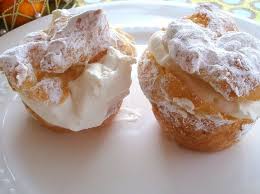
Imagine stepping into a high-end European bakery or a bustling Japanese pastry shop like the world-famous Beard Papa’s. The air is dense with the sweet, intoxicating scent of caramelized butter, toasted flour, and warm sugar. Right behind the glass counter sits a mountain of crisp, golden-brown pastry globes, dusted with a delicate snowfall of powdered sugar. When you take a bite, the crisp outer shell shatters subtly, immediately giving way to an absolute eruption of cool, velvety, and rich vanilla bean custard. This is the timeless sensory experience of a perfect Cream Puff (known classically as Choux à la Crème). It is a legendary dessert that looks like an intricate pastry masterpiece but can actually be recreated right on your own kitchen counter using basic, everyday pantry staples.
People all over the baking community are deeply in love with this recipe because it delivers a jaw-dropping visual appeal and restaurant-quality elegance with zero artificial shortcuts. Usually, people are intimidated by French pastry because they worry the dough won’t rise or the filling will turn out lumpy. This recipe completely demystifies the classic pâte à choux method, turning it into a straightforward, predictable science that guarantees a hollow, crisp shell and a silky filling every single time. Kids love watching the dough magically puff up into hollow balloons through the oven window, while adults appreciate the light, sophisticated, and balanced sweetness. It is an incredibly empowering recipe for home bakers looking to build genuine kitchen confidence and master a fundamental culinary technique.
You should definitely craft these famous cream puffs whenever you want to elevate a weekend dinner party, celebrate a family milestone, or simply treat yourself to a luxurious afternoon baking project. They serve as an exceptional showstopper for elegant holiday dessert tables, bridal showers, or cozy Sunday brunches with your favorite people. There is an undeniable emotional reward that comes from piping out perfect rounds of dough and watching them transform into golden, hollow pastry gems. Preparing this recipe is also a wonderful way to express your culinary creativity, as these hollow shells act as a blank canvas for an infinite variety of decadent fillings. Whether you stick to classic vanilla bean or experiment with rich chocolate, this dish brings pure joy, sophistication, and sweet satisfaction to your kitchen.
This contemporary pastry recipe fits beautifully into a busy modern lifestyle because it respects your time with incredible make-ahead flexibility. You can easily bake the hollow pastry shells days in advance and keep them crisp in an airtight container, or freeze them for up to a month, leaving you with only the assembly work on the day of your big event. It allows you to entirely skip the heavily processed, preservative-packed supermarket sweets that rely on artificial flavorings and chemical stabilizers, replacing them with real heavy cream, fresh eggs, and authentic vanilla. Every single layer works in flawless harmony to deliver a crisp, cool, and velvety contrast that feels like an absolute celebration of traditional scratch baking.
Ingredients You Will Need
For the hollow choux pastry shells:
-
Unsalted butter, cut into small cubes: 1 half cup (4 ounces)
-
Water or whole milk (or a 50/50 mix): 1 cup
-
Fine sea salt: 1 quarter teaspoon
-
Granulated sugar: 1 teaspoon
-
All-purpose flour, sifted: 1 cup
-
Large eggs, at room temperature: 4 pieces
For the rich vanilla bean pastry cream:
-
Whole milk: 2 cups
-
Granulated sugar: 1 half cup
-
Large egg yolks: 4 pieces
-
Cornstarch: 3 tablespoons
-
Unsalted butter, softened: 2 tablespoons
-
Pure vanilla bean paste or vanilla extract: 2 teaspoons
-
Heavy whipping cream, chilled: 1 half cup (to fold in at the end)
-
Powdered sugar for final decoration: 2 tablespoons
Step by Step Method
1. Cooking the rich vanilla pastry cream filling
Because the custard filling needs to be completely chilled before it enters the warm pastry shells, you must make it first. Pour the two cups of whole milk and half of the granulated sugar into a medium saucepan, heating it over medium heat until it reaches a gentle simmer. Meanwhile, in a separate heatproof bowl, vigorously whisk together the remaining sugar, egg yolks, and cornstarch until the mixture looks pale yellow and thick.
2. Tempering the eggs and thickening the custard
Slowly ladle about half a cup of the hot simmering milk into the egg mixture, whisking constantly to gradually raise the temperature of the yolks without scrambling them. Pour the warm egg mixture back into the saucepan with the remaining milk. Cook over medium-low heat, whisking constantly and aggressively, for about 3 to 4 minutes until the mixture suddenly thickens into a glossy, dense pudding. Turn off the heat, stir in the two tablespoons of softened butter and vanilla bean paste, then strain the custard through a fine mesh sieve into a clean bowl. Press a piece of plastic wrap directly onto the surface of the hot custard to prevent a skin from forming, and place it in the refrigerator for at least two hours to cool completely.
3. Boiling the pastry dough base
Preheat your kitchen oven to 425°F (218°C) and line two large baking sheets with parchment paper. In a medium saucepan, combine the half cup of cubed unsalted butter, one cup of water or milk, sea salt, and granulated sugar. Bring the mixture to a rolling boil over medium-high heat, ensuring the butter is completely melted. The moment the liquid boils, dump the entire cup of sifted all-purpose flour into the pan all at once and reduce the heat to medium-low.
4. Beating the dough (Panade)
Immediately begin stirring the mixture vigorously with a sturdy wooden spoon or silicone spatula. The flour will absorb the liquid instantly and form a cohesive ball of dough that pulls away cleanly from the sides of the pan. Continue stirring and mashing the dough against the bottom of the hot pan for a full 2 minutes to cook out the raw flour starch. You will know it is ready when a thin, white film forms on the bottom of the saucepan. Transfer the hot dough into a large mixing bowl and let it cool for 5 minutes, stirring occasionally to let the trapped steam escape.
5. Incorporating the eggs smoothly
Whisk your four large room-temperature eggs together in a measuring cup. Using a hand mixer or a wooden spoon, add the eggs to the warm dough in 4 small additions, beating thoroughly after each addition. At first, the dough will separate and look slippery, but keep beating and it will magically emulsify into a smooth, shiny, and velvety paste. When you lift your spoon or beater out of the bowl, the dough should slowly fall off, leaving a clean “V” shape hanging from the edge.
6. Piping and baking to a spectacular puff
Transfer the shiny dough into a pastry bag fitted with a large round piping tip (or simply snip off the corner of a heavy-duty gallon zip-top bag). Pipe 2-inch mounds onto your prepared baking sheets, leaving about 2 inches of space between each puff. Dip your clean finger into cold water and gently tap down any sharp pointy peaks on top of the dough rounds to prevent them from burning. Slide the pans into the oven and bake at 425°F (218°C) for 15 minutes, then without opening the oven door, reduce the heat to 375°F (190°C) and bake for an additional 10 to 15 minutes until the shells are uniform golden-brown and feel light and hollow.
7. Drying the shells and the final assembly
Turn off the oven. Immediately remove the pans and use a sharp toothpick or a paring knife to poke a small hole into the side or bottom of each hot puff to let the trapped steam escape. Return the poked shells to the turned-off oven with the door cracked open for 10 minutes to dry out completely. While they dry, whip your half cup of cold heavy cream to stiff peaks and fold it gently into your chilled vanilla custard to create a light, cloud-like cream. Pipe the cool cream into the hollow center of each completely cooled puff through the steam hole (or slice the tops off, spoon the cream in, and replace the tops). Dust generously with powdered sugar and serve immediately!
Why This Recipe Is Special
This spectacular recipe stands out as truly exceptional because it relies on the brilliant kitchen physics of steam expanding rather than chemical leaveners like baking powder or yeast. The high water content locked within the cooked butter-and-flour dough vaporizes rapidly in the high heat of the oven, forcing the pastry walls to balloon outward and create a naturally hollow chamber. This creates a remarkably light, airy, and crisp architecture that is structurally engineered to hold an abundance of rich cream without ever feeling heavy, doughy, or dense.
Another beautiful feature of these famous cream puffs is the incorporation of diplomat cream (the combination of rich pastry custard and whipped heavy cream) for the filling. Many quick home recipes skip the traditional custard completely and fill their puffs with basic, plain whipped cream or instant vanilla pudding mixes. This scratch-made method gives you a multi-dimensional, velvety texture and deep flavor profile that feels immensely luxurious on the palate. It bridges the gap between fun, playful finger foods and high-art French confectionery, delivering an elegant eating experience that treats your family and guests with total respect.
Extra Tips for Better Taste
-
Never Open the Oven Early: Resist the intense temptation to open the oven door during the first 20 minutes of baking! A sudden drop in air temperature will cause the expanding steam inside the shells to condense instantly, causing your beautiful cream puffs to deflate into flat, soggy pancakes.
-
Use Room-Temperature Eggs: Cold eggs straight from the refrigerator will cool down the cooked dough too fast and prevent it from absorbing the liquid properly, which can ruin the texture and rise of your pastry.
-
Make it Extra Decadent: If you want to introduce a gorgeous, modern twist to the dish, try drizzling a ribbon of warm, bittersweet melted chocolate over the top of the sugar-dusted puffs to create classic profiteroles.
-
Storage and Reheating: Unfilled baked shells can be stored in an airtight container at room temperature for up to two days. If they lose their crispness due to humidity, simply pop the empty shells onto a baking sheet and heat them in a 350°F (175°C) oven for 5 minutes to make them perfectly shatteringly crisp again before filling. Filled cream puffs should be eaten within a few hours of assembly for the absolute best texture contrast.
Nutrition Details
Here is the general estimated nutritional breakdown for one single fully filled and assembled cream puff, based on dividing the completed recipe into sixteen equal individual pieces.
| Nutrient Type | Amount Per Serving | Daily Value Percentage |
| Calories | 180 calories | 9 percent |
| Total Fat | 12 grams | 15 percent |
| Saturated Fat | 7 grams | 35 percent |
| Sodium | 75 milligrams | 3 percent |
| Total Carbohydrates | 14 grams | 5 percent |
| Dietary Fiber | 0 grams | 0 percent |
| Total Sugars | 8 grams | Pure granulated sugar |
| Protein | 4 grams | 8 percent |
| Calcium | 45 milligrams | 4 percent |
| Iron | 1 milligram | 6 percent |
| Potassium | 60 milligrams | 1 percent |
Disclaimer
Please keep in mind that every individual human body possesses its own unique health requirements, metabolic speeds, and dietary tolerances, so personal experiences and digestive comfort may change from person to person. The nutrition details outlined in this chart are close approximations calculated with generic food databases and can vary based on the exact size of your eggs and the specific brands of dairy products you choose to purchase. If you have severe allergies to gluten or eggs, are managing specific metabolic conditions like diabetes, or are strictly watching your saturated fat intake, please talk with a professional medical doctor or licensed dietitian before changing your eating habits. This recipe is published solely for educational and cooking enjoyment purposes and should never be utilized as a replacement for professional medical advice, diagnosis, or structured healthcare plans.