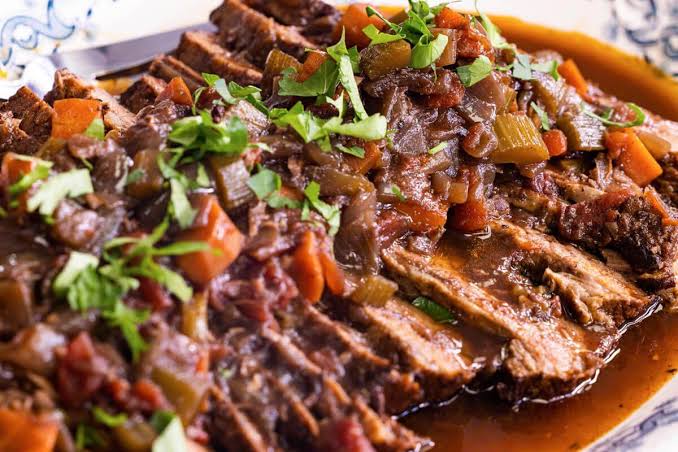
Welcome to the ultimate guide on how to make a wonderfully tender and flavorful Jewish braised brisket right in your own kitchen using simple ingredients and easy steps that anyone can follow. This classic dish is all about taking a large cut of beef and cooking it very slowly in a rich savory sauce until the meat becomes so soft that it practically melts the moment it touches your tongue. When you cook brisket this way, the tough fibers of the beef break down completely over several hours, soaking up all the delicious juices, onions, garlic, and herbs simmering in the pot. It is a timeless tradition passed down through generations, bringing warmth and comfort to dining tables during special holidays, family gatherings, and cozy weekend dinners. Whether you are an absolute beginner who has never cooked a large piece of meat before or an experienced home cook looking for a foolproof method, this comprehensive guide will walk you through every single detail to ensure your roast turns out absolutely mouthwatering every single time you make it.
People all over the world completely adore this magnificent recipe because it delivers an incredible depth of flavor with very little active effort required from the cook. The magic happens during the long slow braising process where sweet caramelized onions merge with rich broth and tomatoes to create a sauce that is both deeply savory and wonderfully comforting. There is something truly magical about the aroma that fills your entire house while the brisket bubbles away slowly in the oven, creating an inviting atmosphere that makes everyone gather eagerly around the kitchen. Furthermore, this dish is famous for actually tasting even better the next day after the flavors have had extra time to mingle and deepen inside the refrigerator. Leftovers can be sliced and reheated easily, making meal preparation feel completely effortless while delivering gourmet restaurant quality results right at your own family dining table without any unnecessary stress or complicated culinary techniques.
You should consider making this glorious Jewish braised brisket whenever you want to celebrate a special milestone, host a joyous holiday meal with your loved ones, or simply treat your household to a deeply satisfying Sunday dinner. From an emotional perspective, serving a warm home cooked roast creates an immediate sense of togetherness and love, wrapping your family in a cozy blanket of rich traditional flavors. From a taste perspective, the combination of tender beef and sweet savory gravy hits every single craving you might have for something hearty and deeply nourishing. Even if you are watching your carbohydrate intake or following specific healthy eating goals, you can easily adapt this dish to fit your lifestyle by focusing on wholesome whole food ingredients and generous portions of lean protein that keep you feeling full and energized for hours. It is the ultimate comfort food choice that satisfies both your emotional need for connection and your physical need for wholesome nourishment.
Preparing this wonderful meal is also a fantastic way to slow down and enjoy the therapeutic process of home cooking from scratch. In our busy modern lives, we often rush through meals, but taking the time to sear a beautiful piece of beef, chop fragrant vegetables, and let everything simmer patiently allows you to disconnect from daily stress and reconnect with the simple joys of nourishing yourself and the people you cherish. As the meat transforms in the oven, you gain a wonderful sense of accomplishment watching simple raw ingredients turn into a masterpiece worthy of a grand feast. This recipe requires patience rather than advanced skills, meaning anyone with a heavy pot and an oven can achieve professional results on their first try. Let us dive right into the wonderful world of slow cooked beef and explore everything you need to know to create this culinary masterpiece in your own home.
Ingredients You Will Need
One whole beef brisket weighing about four to five pounds, trimmed of excess surface fat Three large yellow onions, peeled and sliced very thinly into half moons Six cloves of fresh garlic, minced finely or crushed with the flat side of a knife Two tablespoons of olive oil or avocado oil for searing the meat Two cups of beef broth or bone broth with low sodium content One cup of tomato puree or crushed canned tomatoes for rich body Half a cup of dry red wine or extra beef broth if you prefer to avoid alcohol completely Two tablespoons of apple cider vinegar to provide a slight tang that balances the rich meat One tablespoon of dried thyme or three sprigs of fresh thyme Two dried bay leaves for earthy aromatic depth One teaspoon of salt or adjust to your personal preference Half a teaspoon of black pepper freshly ground
Step by Step Method
Begin your cooking adventure by taking your beef brisket out of the refrigerator at least thirty minutes before you plan to start cooking so that it can come closer to room temperature. This simple step ensures that the meat cooks evenly once it hits the hot pan rather than getting shocked by sudden temperature changes. Pat the entire surface of the brisket thoroughly dry using paper towels because dry meat sears much better and develops a gorgeous golden brown crust. Season all sides of the beef generously with your salt and freshly ground black pepper, pressing the seasonings gently into the surface so they stick well.
Place a large heavy bottomed Dutch oven or an oven safe heavy pot over medium high heat on your stovetop. Add your two tablespoons of olive oil or avocado oil and let it warm up until it shimmers slightly across the bottom of the pot. Carefully place the seasoned brisket into the hot pot and let it sear undisturbed for about five to seven minutes until a rich deep brown crust forms on the bottom side. Flip the brisket over carefully using tongs and sear the other side for another five minutes. Once both sides look beautifully browned and caramelized, lift the brisket out of the pot and transfer it temporarily to a clean plate or cutting board.
Turn the heat down slightly to medium and add all of your sliced yellow onions directly into the remaining juices left inside the hot pot. Stir the onions frequently with a wooden spoon, scraping up any delicious browned bits stuck to the bottom of the pot because those bits add incredible flavor to your final sauce. Cook the onions for about fifteen minutes until they become very soft, translucent, and start turning a lovely golden brown color. Add your minced garlic during the final two minutes of cooking the onions, stirring constantly so the garlic releases its wonderful aroma without burning.
Pour your dry red wine or extra beef broth into the pot with the onions, letting it bubble vigorously for about two minutes while you scrape the bottom again to release any remaining goodness. Stir in your beef broth, tomato puree, apple cider vinegar, dried thyme, and dried bay leaves, mixing everything together into a rich fragrant sauce. Nestle your seared brisket back down into the pot right on top of the onion mixture, making sure the liquid comes up around the sides of the meat. Bring the entire pot to a gentle simmer on the stove.
Preheat your oven to three hundred degrees Fahrenheit or one hundred fifty degrees Celsius while the pot comes to a simmer on the stove. Cover your heavy Dutch oven tightly with a secure lid to lock in all the moisture and heat. Transfer the covered pot carefully from the stovetop into your preheated oven. Let the brisket braise undisturbed in the oven for approximately three to four hours. You will know the brisket is completely done when you can insert a fork or skewer into the thickest part of the meat and it slides in and out with absolute ease resistance free.
Carefully remove the heavy pot from the oven using thick oven mitts and place it on a heatproof surface. Take off the lid and let the brisket rest inside its cooking juices for at least twenty minutes before attempting to slice it. Resting allows the internal juices to redistribute throughout the meat fibers so they do not spill out onto your cutting board. Transfer the rested brisket to a cutting board and slice it thinly across the grain using a sharp carving knife for the most tender bites possible. Spoon the luscious onion gravy generously over the sliced beef and serve warm to your delighted guests.
Why This Recipe Is Special
This wonderful recipe stands out from other beef dishes because of the unique way the slow cooking method transforms a tough cut of meat into pure tenderness. Brisket comes from the chest area of the cow, which works very hard during the animal’s life, resulting in lots of connective tissue and robust beef flavor. By cooking this cut for hours at a low temperature, that connective tissue melts completely into gelatin, which creates a velvety texture that feels luxurious in your mouth. Furthermore, the combination of sweet caramelized onions and acidic tomato with vinegar creates a flavor profile that balances richness with brightness so the dish never feels heavy or greasy. From a health perspective, this dish provides an abundance of high quality protein, essential amino acids, iron, and B vitamins that support overall vitality, muscle maintenance, and sustained daily energy levels without any complicated processed additives.
Extra Tips for Better Taste
To take your culinary results to the next level, consider preparing the brisket one entire day before you plan to serve it to your family or guests. When you chill the cooked brisket overnight in its sauce, the fat rises to the top and solidifies, making it exceptionally easy to lift off and discard if you prefer a leaner finished meal. Once you remove the hardened fat, simply slice the cold meat, place the slices back into the delicious sauce, and reheat the entire pot gently on the stove until warmed through, which actually makes the meat taste even more flavorful and tender. Another great tip is to add a splash of fresh lemon juice or extra apple cider vinegar right before serving if you feel the sauce needs a brighter acidic kick to cut through the richness of the beef. You can also experiment with adding fresh root vegetables like carrots or parsnips into the braising liquid during the last hour of cooking to create a complete one pot meal full of wonderful textures and natural sweetness.
Final Thoughts
Making a traditional Jewish braised brisket at home is a deeply rewarding experience that fills your kitchen with wonderful aromas and brings pure joy to everyone seated at your table. By following these simple steps and taking your time with the slow braising process, you can achieve restaurant quality results that impress your family and create lasting memories around shared meals. Remember that cooking is an art form meant to be enjoyed, so do not stress over perfection and instead focus on the love and care you put into nourishing the people around you. We hope this guide inspires you to fire up your oven, gather your ingredients, and enjoy the comforting magic of homemade slow cooked brisket tonight.
Nutrition Details
Serving Size: One generous slice of brisket with half a cup of onion gravy Calories: Four hundred fifty calories per serving Total Fat: Twenty eight grams per serving Saturated Fat: Ten grams per serving Cholesterol: One hundred twenty milligrams per serving Sodium: Six hundred milligrams per serving Total Carbohydrates: Twelve grams per serving Dietary Fiber: Two grams per serving Sugars: Seven grams per serving Protein: Thirty eight grams per serving
Disclaimer
Please remember that individual nutritional needs and health responses can vary significantly from person to person based on age, metabolism, activity level, and underlying medical conditions. The nutritional information provided in this article is calculated as an estimate based on standard ingredient databases and should be used purely for general guidance rather than medical advice. If you have specific dietary restrictions, food allergies, or health concerns regarding your nutritional intake, it is always wise to consult with a qualified healthcare professional or registered dietitian before making major changes to your regular diet.