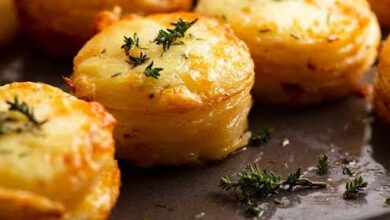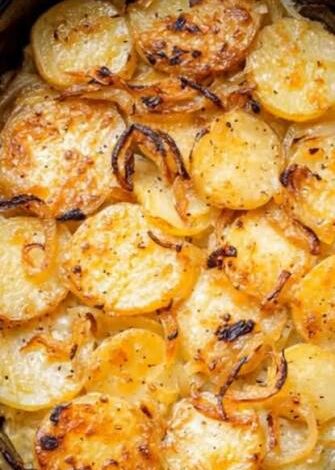
The Depression Era Potato and Onion Bake is a comforting historical recipe that brings together the most simple, affordable, and filling ingredients to create a deeply satisfying meal. This dish is all about celebrating the resourcefulness of home cooks from a challenging time in history, proving that you do not need expensive ingredients to make something truly delicious and hearty. It features thin layers of tender potatoes and sweet onions baked together with a tiny bit of fat and simple seasonings until the top layer turns crispy and golden brown. It is a wonderful example of classic American country cooking, designed to stretch a few basic root vegetables into a complete, warm dinner that could feed a large family. Whether you are looking to explore the culinary history of the nineteen thirties or you simply want a rustic, budget friendly side dish for your dinner table tonight, this recipe delivers an amazing comfort food experience. It looks beautiful when served in a rustic baking dish, yet the preparation is so straightforward that even someone who has never cooked before can achieve a flawless result on their very first attempt.
People absolutely love this recipe because it reminds us of the power of simplicity, offering a rich, comforting flavor without any processed foods or complicated steps. It is the type of old fashioned cooking that makes your home smell incredibly cozy and warm while it bakes, bringing a sense of nostalgia and peace into your modern kitchen. Kids enjoy the mild, naturally sweet flavor of the cooked onions combined with the soft texture of the potatoes, while adults appreciate how incredibly inexpensive it is to make from scratch. You do not need any special gadgets, fancy baking pans, or rare spices to bring this vintage dish to life, as it relies entirely on everyday staples that sit in almost every pantry year round. Another reason for its lasting popularity is how beautifully it pairs with almost any protein you want to serve alongside it, making it a reliable and versatile addition to your weekly dinner routine. Every single spoonful delivers a warm, comforting texture that honors the creativity of past generations while perfectly satisfying your current hunger.
There are many wonderful reasons and perfect moments to bake a fresh, hot tray of these historical potatoes for your family. If you are trying to cut down on your grocery bill or want to practice minimalist cooking, this dish serves as a powerful reminder that basic ingredients can taste absolutely spectacular when given time to bake slowly. From an emotional perspective, it is the ultimate rainy day food that fills your kitchen with warmth, making it perfect for a quiet Sunday evening when you want to slow down and enjoy a peaceful, homemade meal. For those who follow a plant based lifestyle or are looking for a naturally gluten free dish, this recipe fits perfectly into your meal plan without needing any strange substitutes or expensive health food items. It also serves as a fantastic educational cooking lesson to share with your children, allowing you to discuss history while teaching them essential knife skills and the beauty of frugal living. No matter if you are trying to stretch your budget before payday or just want a simple dish that tastes like home, this bake brings comfort to anyone who takes a seat at your table.
Baking this dish is a peaceful, slow cooking experience that connects you to the generations of home cooks who kept their families well fed during difficult times. It demonstrates that the secret to great food often lies in patience and proper technique rather than a long list of luxury ingredients. The simple preparation means you can easily get the dish into the oven in just fifteen minutes, leaving you with plenty of free time to relax or spend time with your loved ones while the oven does all the heavy work. It is a highly adaptable recipe, meaning you can serve it as a main dish for a light lunch alongside a simple green salad, or use it as a hearty side dish for a festive family roast. Every time you pull a bubbling, golden brown dish of these sliced potatoes out of your oven, you are serving a piece of history that is filled with love, resilience, and pure comfort. It is a completely foolproof recipe that builds essential cooking confidence for beginners while remaining a deeply satisfying classic that experienced cooks will always appreciate.
Ingredients You Will Need
To make this authentic vintage dish, you will only need a few basic root vegetables and simple seasonings from your kitchen. Here is the complete list of everything required:
-
One kilogram of russet potatoes or any starchy baking potatoes
-
Three large yellow onions
-
Three tablespoons of vegetable oil or melted lard
-
Half a cup of water or vegetable broth
-
One teaspoon of salt
-
Half a teaspoon of coarse black pepper
-
Half a teaspoon of paprika for a little color and flavor
-
One tablespoon of fresh parsley chopped for a touch of modern color
Step by Step Method
Preparing the Vegetables
Start by preheating your oven to one hundred and ninety degrees Celsius, which is about three hundred and seventy five degrees Fahrenheit. While the oven is warming up, wash your potatoes thoroughly under cold running water to remove any dirt. Use a vegetable peeler to remove the skins completely, then place the potatoes on a sturdy cutting board. Use a sharp chef knife to slice the potatoes into very thin rounds that are about three millimeters thick, trying to keep them even so they cook at the same rate. Next, peel your yellow onions and slice them into thin rounds as well, separating the rings with your fingers so they are ready to layer.
Layering the Dish
Take a large ceramic or glass baking dish and brush the bottom and sides with a small amount of your vegetable oil to prevent the vegetables from sticking. Begin building the dish by arranging a single layer of the thin potato slices across the bottom of the pan, overlapping them slightly like fish scales. Sprinkle a few of the sliced onion rings directly on top of the potato layer. Season this first layer with a tiny pinch of salt, black pepper, and a light dusting of paprika, then drizzle a tiny bit of the oil over the top.
Completing the Assembly
Continue this identical layering process, alternating between the thin potato slices and the onion rings, ensuring you add a small pinch of your seasonings and a tiny drizzle of oil between each layer. Try to save your best looking, most even potato slices for the very top layer so the finished dish looks beautiful and neat. Once all the vegetables are arranged in the dish, carefully pour the half cup of water or vegetable broth down the inside edge of the pan so it sits at the bottom without washing the spices off your top layer of potatoes.
Baking Until Tender and Crispy
Cover the baking dish tightly with a sheet of aluminum foil to trap the steam, which will help soften the starchy potatoes. Slide the dish into the center rack of your preheated oven and bake for forty five minutes. After forty five minutes, carefully remove the aluminum foil from the top of the dish, being careful of the hot steam. Return the uncovered dish to the oven for another twenty to twenty five minutes, allowing the top layer of potatoes to turn beautifully crisp, deeply golden brown, and slightly curled at the edges.
Cooling and Serving
Check that the potatoes are fully cooked by gently inserting a fork into the center of the dish; it should slide through the layers easily with no resistance. Remove the hot baking dish from the oven and place it on a heat proof mat. Let the bake rest and cool down for about five minutes, which allows the remaining liquid at the bottom to absorb back into the potatoes. Scatter the chopped fresh parsley over the crispy top layer for a beautiful contrast, then scoop out large portions to serve warm.
Why This Recipe Is Special
This recipe is incredibly special because it teaches us how to find abundance in simplicity, showing that comfort does not require a long list of expensive ingredients. It provides an excellent source of clean, complex carbohydrates from the potatoes, which give your body steady, long lasting energy to fuel your day without causing sudden sugar crashes. Onions are naturally rich in vitamin C and powerful antioxidants that help support a healthy immune system, making this a nutritious meal choice that protects your body. By using humble root vegetables that store well for months, you can minimize trips to the grocery store and enjoy a truly sustainable meal that reduces food waste. It is a wonderful way to bring authentic historical cooking into the modern era, connecting you to the resilience of the past through the universal language of good food.
The clever design of this bake relies on the natural starches in the potatoes to thicken the cooking liquid, creating a velvety texture without needing any cream, flour, or expensive dairy products. The cooking process transforms the sharp flavor of raw onions into a sweet, caramelized element that seasons the potatoes from the inside out as they bake together. It is an ideal dish for anyone managing food allergies, as it is naturally free from dairy, gluten, nuts, and soy, allowing everyone at your table to enjoy it safely. The presentation is also a major highlight, as the rustic, layered look feels elegant and homey at the exact same time. Furthermore, it is a fantastic dish for meal prep, as the flavors continue to develop and taste even better the next day when reheated for a quick lunch.
Extra Tips for Better Taste
To add a touch of modern creativity to this vintage dish, you can try tossing the potato slices with a tablespoon of nutritional yeast or a bit of garlic powder before layering them to add a subtle, savory depth. If you are not serving this to strict vegetarians, using leftover bacon grease instead of vegetable oil adds an incredible, smoky richness that honors the traditional flavors of the era. You can also mix a few sprigs of fresh thyme or rosemary between the layers to infuse the vegetables with a beautiful, earthy herbal aroma as they roast in the oven. For a different texture experience, try using a mix of red potatoes and sweet potatoes to add a lovely color contrast and a touch of extra sweetness to the dish.
If you want an even crispier top layer, you can turn on your oven broiler for the last three minutes of baking, keeping a very close eye on the pan so the edges do not burn. To make the dish even heartier, you can layer in thin slices of hard boiled eggs or leftover cooked meat if you have them available in your refrigerator. Always make sure to slice your onions quite thin, as this allows them to melt completely into the potatoes during the long baking process rather than remaining crunchy. If you notice the dish looks a bit dry halfway through baking, you can add an extra splash of water or broth around the edges to ensure the bottom layers stay moist and tender. Lastly, letting the dish rest after baking is essential, as it gives the starches time to set so you can cut clean, beautiful portions.
Final Thoughts
Baking this Depression Era Potato and Onion Bake is a rewarding and grounding experience that reminds us of the true value of home cooked comfort food. It is a delicious, budget friendly, and deeply satisfying dish that proves you can create a memorable meal out of the most basic ingredients in your pantry. Whether you share it as a cozy side dish during a family gathering or enjoy it as a simple, quiet meal on a cold evening, it is sure to bring warmth to your heart and belly. Thank you for exploring this wonderful historical recipe in your kitchen, and I hope it brings a sense of comfort, simplicity, and joy to your dining table.
Nutrition Details
Here is the estimated nutritional breakdown for this historical dish, calculated per serving based on the total recipe yielding approximately four hearty servings.
| Nutrient Type | Amount Per Serving |
| Calories | Two hundred and forty calories |
| Total Fat | Ten grams |
| Saturated Fat | One and a half grams |
| Cholesterol | Zero milligrams |
| Sodium | Five hundred and ninety milligrams |
| Total Carbohydrates | Thirty six grams |
| Dietary Fiber | Four grams |
| Sugars | Four grams |
| Protein | Four grams |
Disclaimer
Please keep in mind that every individual has a unique body, different metabolic needs, and specific health goals, so nutritional outcomes and individual energy results may change based on the exact varieties of potatoes and cooking oils you choose to use. The information provided throughout this article is intended strictly for educational, historical, and entertainment purposes and should never be used as a substitute for professional medical advice or personalized nutritional guidance. Always consult with a qualified healthcare professional or a registered dietitian if you have questions regarding specific food sensitivities, medical conditions, or changes to your daily eating habits.