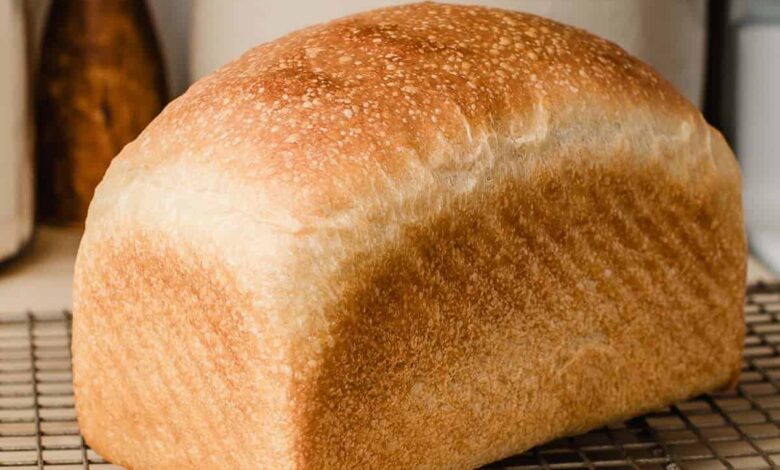
Baking your own fresh bread at home is one of the most rewarding things you can do in your kitchen. This specific recipe is all about creating the ultimate soft and fluffy sourdough sandwich bread that will completely change the way you think about homemade loaves. Many people think that sourdough bread always has to be hard, crusty, and full of large holes like the traditional rustic loaves you see in high end bakeries. However, this recipe is designed to give you a completely different experience by focusing on a tender crumb and a pillow soft texture that lasts for days. It combines the deep, complex, and beautiful flavors of natural wild yeast fermentation with the rich, soft, and shreddable qualities of a classic everyday sandwich loaf. Whether you are an experienced baker looking to expand your skills or a complete beginner who has never touched a sourdough starter before, this guide will walk you through every single step with complete ease and clarity. By the end of this baking journey, you will have a beautiful, golden brown loaf sitting on your counter that smells incredible and tastes even better than anything you could ever buy at a local grocery store.
There are so many reasons why people all over the world absolutely love this soft sourdough sandwich bread recipe once they try it. The main reason is the unbelievable texture because it manages to stay wonderfully light, moist, and flexible without using any artificial preservatives or dough conditioners. Traditional store bought white bread is often packed with strange chemicals and fillers to keep it soft on the shelf, but this recipe achieves that exact same soft texture naturally through the magic of wild fermentation and a few simple kitchen ingredients. Parents love it because it is the perfect shape and texture for kids who might normally complain about hard bread crusts, making it ideal for school lunches and afternoon snacks. Food lovers adore it because the subtle tang of the sourdough adds a massive depth of flavor that complements both sweet toppings like berry jam and savory fillings like sliced turkey and melted cheese. It is also incredibly forgiving to make, meaning you do not need a fancy kitchen setup or expensive professional baking tools to achieve a picture perfect result on your very first try.
This is the absolute perfect recipe to make whenever you want to bring a sense of warmth, comfort, and cozy emotion into your home on a quiet weekend morning. There is something deeply peaceful and satisfying about mixing a simple dough with your own hands, watching it rise slowly over time, and filling your entire house with the rich aroma of fresh baking bread. From a fitness and health perspective, this sourdough loaf is a fantastic choice because the long natural fermentation process breaks down the gluten and phytic acid in the flour, making it much easier on your stomach and digestive system compared to standard quick rise breads. Many people who feel heavy or bloated after eating regular commercial bread find that they can enjoy this natural sourdough version without any discomfort at all. It is also a wonderful way to practice mindfulness and slow down from your busy daily routine, as baking bread teaches us patience and connects us to ancient traditions of cooking from scratch. Whether you are trying to eat cleaner, feed your family better quality food, or simply enjoy a fun and therapeutic kitchen project, this soft sourdough loaf fits into your life perfectly.
Ingredients You Will Need
To make this beautiful and soft sourdough sandwich bread, you will need to gather a few simple ingredients. Make sure your active sourdough starter is bubbly, happy, and fed a few hours before you begin mixing your dough.
-
Active sourdough starter: 100 grams
-
Warm water: 250 grams
-
Whole milk: 50 grams
-
Honey or maple syrup: 30 grams
-
Unsalted butter melted: 40 grams
-
Bread flour or unbleached all purpose flour: 500 grams
-
Fine sea salt: 10 grams
Step by Step Method
Step One: Mixing the Liquids and Starter
Start by taking a large mixing bowl and placing it on your kitchen scale. Pour in the 100 grams of active bubbly sourdough starter. Next, add the 250 grams of warm water and the 50 grams of whole milk. The liquids should be warm to the touch but not hot, as hot liquid can kill the wild yeast. Add the 30 grams of honey and the 40 grams of melted unsalted butter into the bowl. Use a fork or a whisk to stir all these liquid ingredients together until the sourdough starter is completely dissolved and the mixture looks like a smooth, milky liquid.
Step Two: Adding the Flour and Salt
Once your liquid base is ready, add the 500 grams of bread flour directly into the same bowl. Sprinkle the 10 grams of fine sea salt evenly over the top of the flour. Take a sturdy spoon or a dough whisk and begin mixing the ingredients together. Keep stirring until the flour has absorbed all the liquid and a shaggy, messy looking dough starts to form. If there are still dry patches of flour at the bottom of the bowl, use your hands to squeeze and press the dough until everything is fully incorporated into one single mass.
Step Three: The First Rest Period
Cover your mixing bowl with a damp kitchen towel, a bees wrap, or a piece of plastic wrap to keep the moisture inside. Let the dough rest undisturbed on your kitchen counter for about thirty minutes. This quiet resting time is called autolyse, and it allows the flour to fully absorb the liquids and starts the natural development of gluten, which makes the dough much easier to handle and knead in the next steps.
Step Four: Kneading the Dough
After the thirty minute rest, remove the cover from your bowl. You can knead this dough directly in the bowl or turn it out onto a clean counter top. Begin kneading the dough by stretching it upward and folding it over itself, rotating the dough as you go. Keep kneading for about eight to ten minutes until the dough transforms from a rough shaggy ball into a beautiful, smooth, and stretchy ball of dough. If the dough feels a bit sticky, resist the urge to add more flour, as keeping it moist is the secret to a super soft finished bread.
Step Five: The Bulk Fermentation Rise
Shape your kneaded dough into a neat round ball and place it back into a lightly greased mixing bowl. Cover the bowl tightly again to prevent the surface of the dough from drying out and forming a hard skin. Place the bowl in a warm spot in your home to rise. This is the bulk fermentation stage, and it will take anywhere from six to eight hours depending on how warm your kitchen is. You will know it is ready when the dough has nearly doubled in size, feels full of air, and looks slightly domed on top.
Step Six: Shaping the Sandwich Loaf
Gently tip the risen dough out onto a very lightly floured work surface. Use your hands to pat the dough down into a flat rectangle shape that is about the same width as your baking loaf pan. Take the top edge of the rectangle and fold it down toward the middle, then take the bottom edge and fold it up like a letter. Now, roll the dough tightly from one side to the other to create a snug, smooth log shape. Pinch the final seam closed with your fingers so it does not unroll.
Step Four: The Second Rise in the Pan
Take a standard nine by five inch metal loaf pan and grease it thoroughly with a bit of softened butter or non stick cooking spray. Place your shaped log of dough into the pan with the pinched seam side facing down. Cover the loaf pan loosely with a damp towel and let it rise for another two to four hours at room temperature. The dough is fully ready to bake when it has risen nicely about one inch above the rim of your loaf pan and looks puffy and soft.
Step Eight: Baking the Bread
Preheat your kitchen oven to 375 degrees Fahrenheit or 190 degrees Celsius. Once the oven is completely hot, remove the towel from your loaf pan. If you want a shiny golden top, you can gently brush the top of the dough with a little bit of extra milk or melted butter. Place the pan on the center rack of your oven and bake for about thirty five to forty minutes. The top should turn a gorgeous deep golden brown color, and the loaf should sound hollow when you gently tap the top crust.
Step Nine: Cooling and Slicing
Remove the bread from the oven and let it sit inside the hot pan for just five minutes. Then, carefully tip the loaf out of the pan and place it onto a wire cooling rack. Brush the top crust with a tiny bit more melted butter immediately while it is hot to ensure the crust stays incredibly soft. Let the bread cool completely for at least two hours before slicing it with a sharp serrated knife, as slicing it too early will cause the warm interior to become gummy.
Why This Recipe Is Special
This soft and fluffy sourdough sandwich bread recipe is truly unique because it bridges the gap between old school baking traditions and modern comfort food. By utilizing natural wild yeast instead of commercial instant yeast packets, you get a loaf of bread that features an incredible complexity of flavor with a subtle tang that enhances every single bite. The inclusion of whole milk, honey, and melted butter breaks down the gluten strands just enough to create a super tender crumb structure that mimics the softness of factory made white bread without any of the bad chemicals.
From a health standpoint, this bread is a wonderful alternative for anyone looking to eat cleaner and improve their gut health. The long fermentation process allows the wild bacteria in the sourdough starter to predigest the starches and proteins in the flour, making it significantly easier for your body to process and absorb nutrients. It contains absolutely zero artificial preservatives, zero high fructose corn syrup, and zero hydrogenated oils, giving you complete peace of mind about what you are feeding yourself and your loved ones.
Extra Tips for Better Taste
If you want to elevate this recipe even further, there are several easy adjustments you can make to suit your personal preferences. For an even richer flavor, you can replace the warm water entirely with whole milk, which creates an ultra creamy crumb and a softer crust that feels like brioche. You can also mix in two tablespoons of ground flaxseeds, chia seeds, or sunflower seeds during the initial mixing phase to add a lovely nutty texture and an extra boost of healthy nutrients.
Another fantastic trick for busy bakers is to utilize your refrigerator for a cold rise. After shaping your dough and placing it in the loaf pan, you can pop it into the fridge overnight for twelve to twenty four hours instead of letting it rise on the counter. This slow cold fermentation develops a much deeper sourdough flavor and makes the bread even easier to bake first thing in the morning for a fresh breakfast treat.
Final Thoughts
Baking this soft and fluffy sourdough sandwich bread is a beautiful journey that brings joy, health, and amazing flavors directly into your kitchen. There is nothing quite like the feeling of slicing into a loaf of bread that you created entirely from scratch using just flour, water, and love. It is a wonderful staple recipe that you will find yourself returning to week after week for your everyday meals. Grab your ingredients, feed your starter, and enjoy the wonderful and peaceful process of baking your own natural homemade bread.
Nutrition Details
Here is the approximate nutritional information for one serving of this soft sourdough sandwich bread based on slicing the loaf into twelve equal portions.
| Nutrient | Amount Per Serving |
| Calories | 195 calories |
| Total Fat | 4 grams |
| Saturated Fat | 2 grams |
| Cholesterol | 10 milligrams |
| Sodium | 210 milligrams |
| Total Carbohydrates | 34 grams |
| Dietary Fiber | 2 grams |
| Sugars | 3 grams |
| Protein | 6 grams |
Disclaimer
The nutritional details and health benefits provided in this article are for general informational and educational purposes only. Every individual body is completely unique, and exact nutritional values can change based on the specific brands of ingredients you choose to use in your kitchen. If you have specific dietary restrictions, severe gluten sensitivities, or medical conditions, please consult with a qualified healthcare professional or a registered dietitian before making significant changes to your regular diet.