Introduction
There’s something undeniably comforting about the aroma of fresh, rustic sourdough drifting through the kitchen. Unloaf Sourdough Bread embraces this warmth with a simple formula—flour, water, salt, and time—that transforms into a beautifully crusty, chewy loaf.
Unlike commercial breads, Unloaf Sourdough relies on natural fermentation. This slow, patient process creates complex flavors and a signature tang while also making the bread easier to digest. It’s an opportunity to reconnect with traditional baking methods that feel both grounding and rewarding.
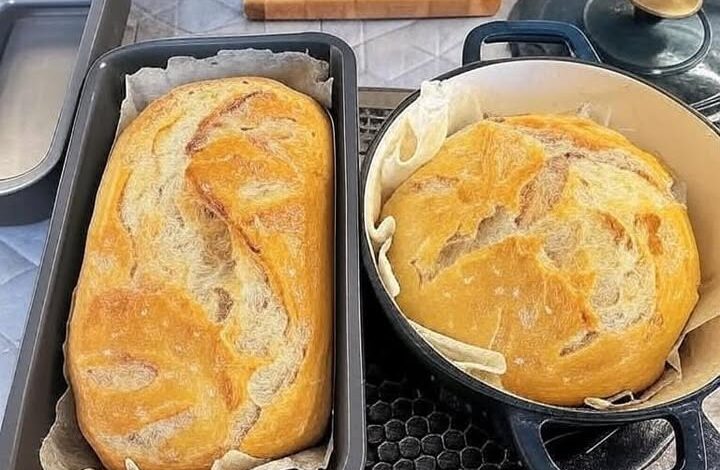
Whether you’re an experienced baker or tackling sourdough for the first time, this recipe guides you through every step. The result is a golden, blistered crust, an airy crumb, and a loaf that’s as nourishing as it is delicious.
⏱ Cooking Time & 🍞 Serving
-
Prep Time: 30 minutes
-
Bulk Fermentation: 4–6 hours
-
Cold Proof: 8–12 hours
-
Bake Time: 40–45 minutes
-
Total Time: ~14–18 hours (mostly resting)
-
Servings: Makes 1 medium loaf (8–10 slices)
📝 Ingredients (Unloaf Sourdough Bread)
For the Dough
-
500 g bread flour
-
350 g water (70% hydration)
-
100 g active sourdough starter (fed within 6–8 hours)
-
10 g fine sea salt
Optional Add-Ins
-
15 g olive oil (for softer crumb)
-
1 tbsp honey or malt (for deeper flavor)
-
Seeds, herbs, or cracked grains (as desired)
👩🍳 How to Make Unloaf Sourdough Bread
1. Mix the Dough
-
In a large bowl, combine the starter and water; whisk until cloudy.
-
Add the flour and mix with your hands until no dry spots remain.
-
Cover with a towel and let the dough rest for 30 minutes (autolyse).
2. Add Salt & Begin Folds
-
Sprinkle salt over the dough.
-
Dip your fingers in water and pinch and fold the dough until the salt dissolves.
-
Cover and let rest for 30 minutes.
3. Bulk Fermentation (4–6 hours)
-
Perform 3–4 sets of stretch-and-folds every 30 minutes.
-
After the final fold, let the dough rest untouched until it grows 30–50% in volume and feels airy.
4. Shape the Dough
-
Lightly flour your work surface and gently turn the dough out.
-
Fold edges toward the center and flip seam-side down.
-
Use your hands to create surface tension by pulling the dough toward you in short motions.
5. Cold Proof (Overnight)
-
Place the shaped dough seam-side up in a floured banneton or bowl.
-
Cover and refrigerate for 8–12 hours.
6. Bake
-
Preheat your oven and Dutch oven to 475°F (245°C) for at least 30 minutes.
-
Turn dough onto parchment paper, score the top, and transfer into the hot pot.
-
Bake 20 minutes covered, then 20–25 minutes uncovered until deep golden brown.
-
Cool for at least 1 hour before slicing.
📝 Notes
-
A lively starter is essential—your dough will not rise properly if the starter is sluggish.
-
Adjust hydration slightly depending on your flour’s absorbency.
-
Allowing the dough to cool completely prevents the interior from becoming gummy.
-
For extra crunch, spritz the dough with water before baking.
❓ FAQs
Q: Can I use whole wheat flour?
Yes! Substitute up to 20–30% whole wheat for a nuttier flavor. You may need to slightly increase hydration.
Q: Why is my sourdough dense?
Common causes include under-fermented dough, a weak starter, or insufficient gluten development.
Q: Can I bake sourdough without a Dutch oven?
Yes. Use a baking stone and place a tray of hot water on the bottom rack to create steam.
Q: How long does sourdough stay fresh?
Unloaf Sourdough stays fresh 3–4 days at room temperature. It also freezes beautifully for up to 3 months.
🍽 Nutrition (Approximate)
Per 1 slice (1/10 loaf)
| Nutrient | Amount |
|---|---|
| Calories | 160 kcal |
| Carbohydrates | 31 g |
| Protein | 5 g |
| Fat | 0.8 g |
| Fiber | 1.5 g |
| Sodium | 220 mg |
| Natural Sugars | 0 g |
| Iron | 1.2 mg |
| Potassium | 45 mg |
(Values vary depending on flour type and hydration.)
Disclaimer
This recipe is intended for general use and should be enjoyed in moderation as part of a balanced diet. Individuals with gluten intolerance, wheat allergies, or sensitivities to fermented foods should avoid or modify this recipe based on their dietary needs.